Flat Feet in Manila: Causes, Symptoms, and What Actually Works

Flat feet are a common condition, but they are often misunderstood. While some individuals experience no symptoms, many others develop discomfort that significantly affects their daily movement and quality of life.
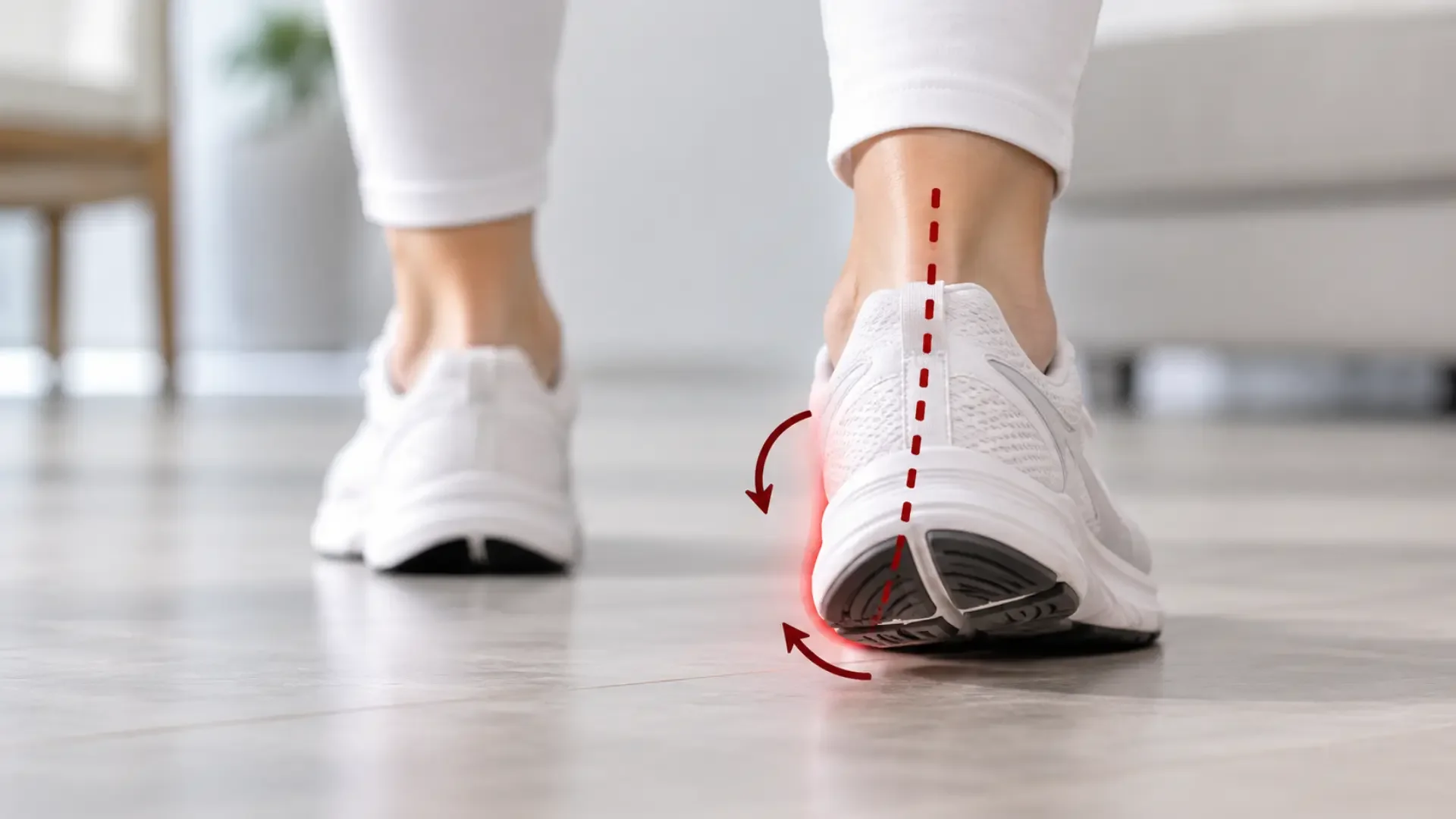
Flat feet occur when the arch of the foot collapses or does not form properly. This shift in structure changes how weight is distributed across your body, often leading to a "domino effect" of strain from the ground up.
What Are Flat Feet?
Flat feet, also known as fallen arches, occur when the arch on the inside of the foot is lower than normal or completely absent.
This structural change affects the foot's ability to:
Absorb Impact: The arch acts as a natural shock absorber.
Maintain Balance: A flat structure changes your center of gravity.
Transfer Force: It alters how you push off the ground during each step.
In some cases, flat feet are present from childhood. In others, they develop over time due to changes in mechanics, injury, or sustained load.
What Causes Flat Feet?
Flat feet are rarely caused by a single event. Usually, it is a combination of factors, including:
Natural Foot Structure: Genetic factors often dictate arch height.
Ligament Laxity: "Loose" ligaments can cause the arch to flatten under weight.
Muscle Imbalances: Weakness in the posterior tibial tendon is a common culprit.
Prolonged Standing: Sustained pressure over years can wear down the arch.
Age-related Changes: Wear and tear on tendons can lead to a gradual collapse.
Common Symptoms of Flat Feet
Not everyone with flat feet feels pain. However, when symptoms do occur, they are a sign that the body is struggling to compensate for the lack of support. Common signs include:
Arch or Heel Discomfort: Pain specifically along the bottom of the foot.
Foot Fatigue: Your feet feel "heavy" or tired even after light activity.
Swelling: Specifically along the inner edge of the foot.
The Kinetic Chain Effect: Unexplained discomfort in the knees, hips, or lower back.
When Flat Feet Become a Problem
Because your feet are the foundation of your entire body, changes at this level influence your entire "kinetic chain." Flat feet become a clinical concern when:
Strain Accumulates: Small daily stresses turn into chronic inflammation.
Compensation Occurs: Other joints (like the knees) begin to rotate inward to make up for the collapsed arch.
Movement is Restricted: You find yourself avoiding walks or exercise due to anticipated pain.
FOOTLAB Clinical Insight
In many of our assessments, individuals with flat feet do not initially report foot pain. Instead, they come to us for chronic knee or lower back discomfort. This highlights how altered mechanics can affect the entire body, even when the feet themselves aren't the primary complaint.
What Actually Works?
Managing flat feet is not just about "softening" the ground with cushions—it’s about improving how the foot functions.
Proper Structural Support: Helping the arch stay in a neutral position to reduce ligament strain.
Efficient Load Distribution: Shifting pressure away from the inner edge of the foot.
Biomechanical Assessment: Identifying if your flat feet are "flexible" or "rigid" to determine the right intervention.
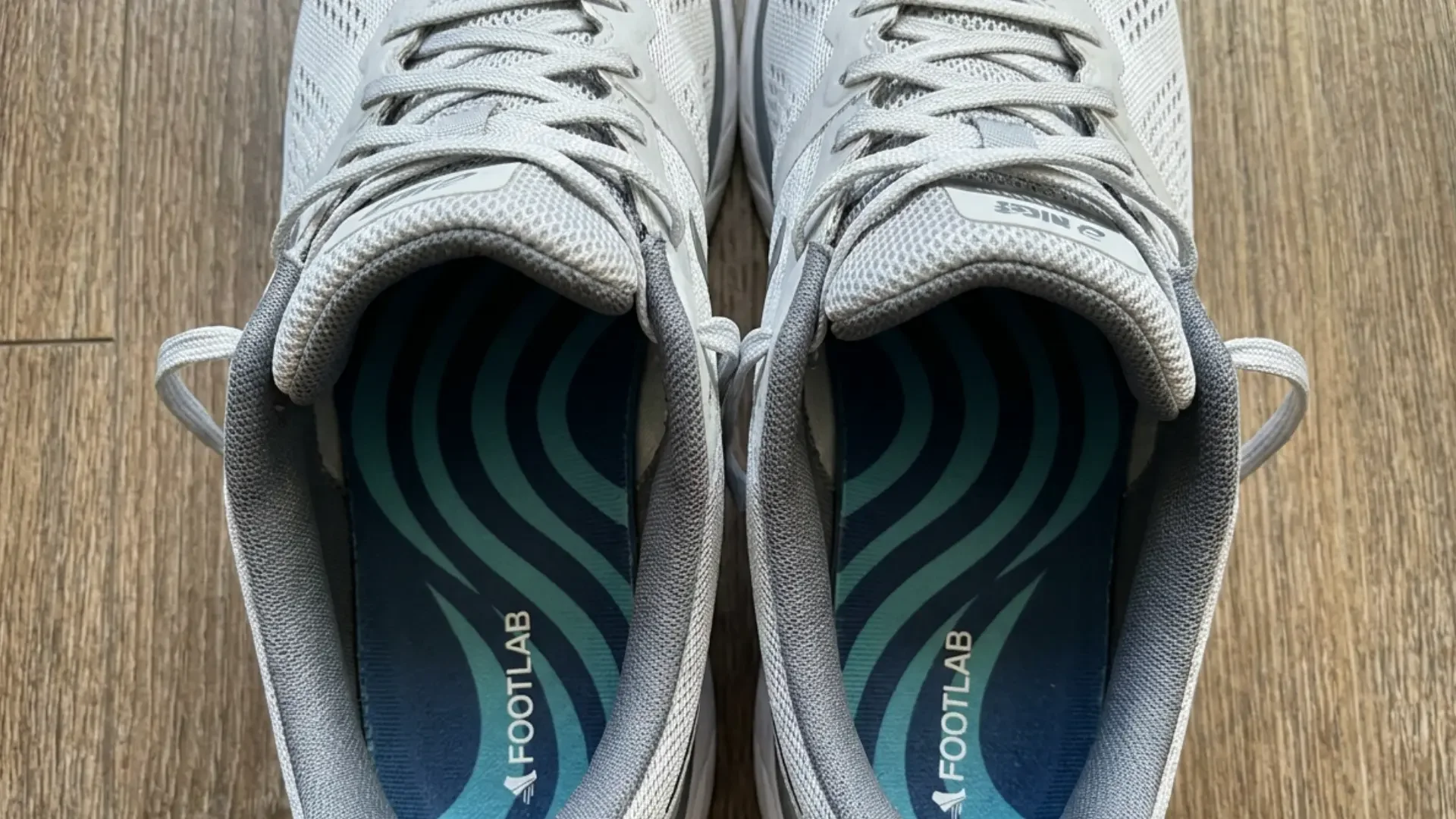
Consistent Support: Long-term improvement requires structured support that doesn't compress or lose its shape over time.
Custom Orthotics vs. Store-Bought Insoles
When treating flat feet, the difference between generic and custom support is critical for long-term outcomes:
Store-Bought Insoles
Provide general cushioning (softness).
Designed for a generic "average" foot.
Often fail to provide enough rigid support to actually hold up a collapsing arch.
Custom Orthotics
Built specifically for your unique biomechanics.
Address your specific movement patterns (like overpronation).
Provide the precise level of structural integrity needed to realign the foot and ankle.
Take the Next Step Toward Better Alignment
Flat feet don't have to limit your lifestyle. At FOOTLAB, we use precise assessments to understand your foot structure and provide the support you need for a more balanced, pain-free life.
Frequently Asked Questions
-
Not always. Many people with flat feet function well, but problems arise when mechanics lead to strain or imbalance.
-
Structural changes may not always be reversible, but proper support can significantly improve function and reduce symptoms.
-
They can contribute, as altered foot mechanics affect alignment throughout the body.
-
Not in all cases, but they are often recommended when symptoms or inefficiencies are present.
A More Effective Approach to Foot Health
Flat feet are not just a structural condition—they influence how the body moves as a whole. Because your feet are the foundation of your skeletal system, a collapsed arch can lead to a "rolling" effect that impacts the alignment of your ankles, knees, and even your hips.
Addressing these underlying mechanics is about more than just comfort; it is about improving your efficiency and ensuring long-term mobility. At FOOTLAB, each case is evaluated through a structured biomechanical assessment to determine the most appropriate and precise form of support for your unique lifestyle.
Next Step: Understand How Your Feet Function
If you experience persistent discomfort, "heavy" legs, or fatigue after a short walk, it may be time to look beyond general, store-bought solutions.
A professional biomechanical assessment can help you identify:
Load Distribution: Exactly how your foot distributes weight across the heel, arch, and forefoot.
Strain Identification: Pinpointing exactly where mechanical strain is occurring before it leads to a chronic injury.
Personalized Support: Determining the specific level of structural support needed for better long-term outcomes.