Can Insoles Help Knee and Lower Back Pain?
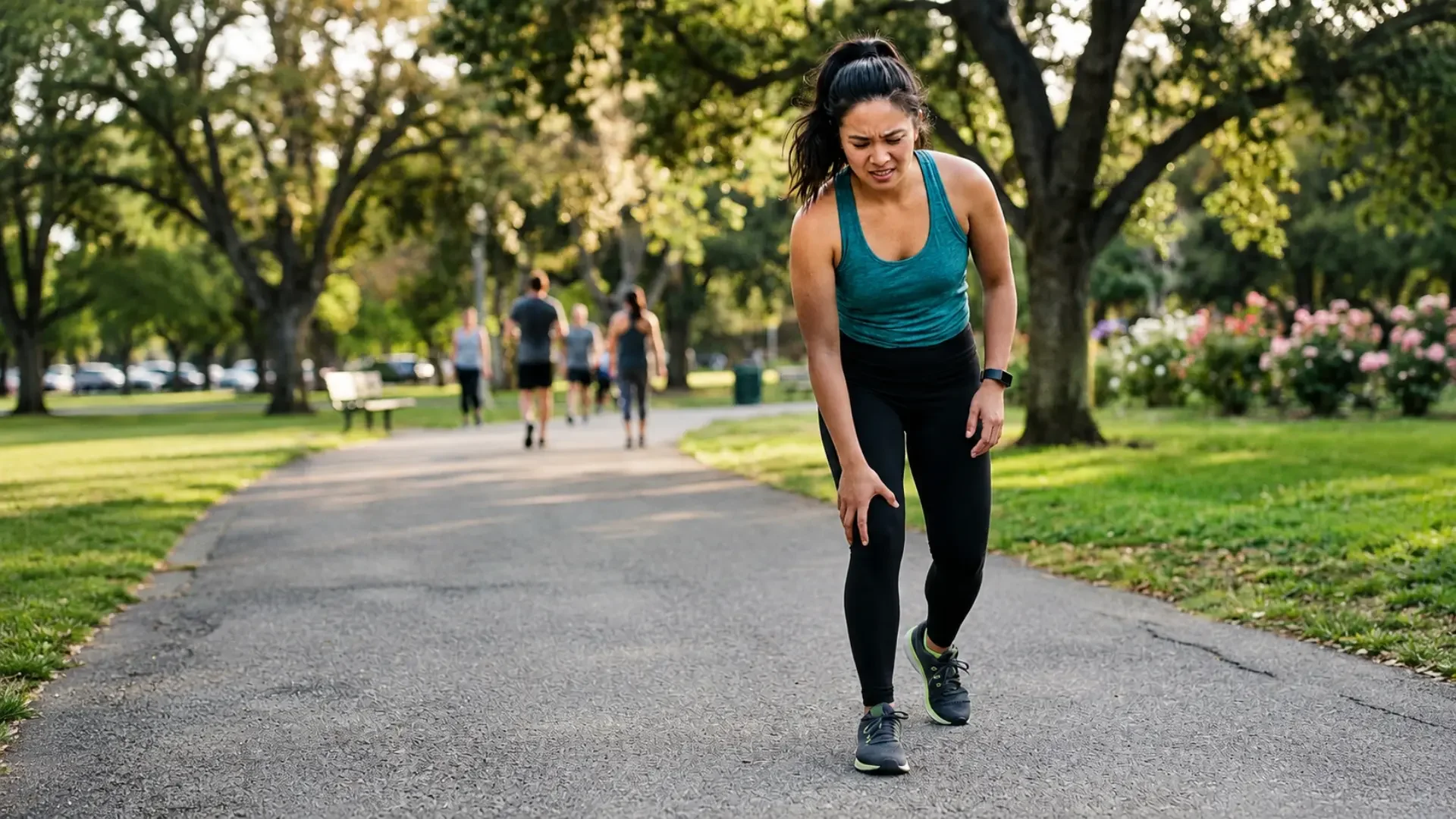
When people experience knee pain or lower back pain, they usually focus on the area that hurts.
They may stretch their back, strengthen their legs, visit a chiropractor, or change their exercise routine. While these approaches can help, many people overlook one important factor:
Your feet.
The way your feet move and support your body can have a significant impact on your knees, hips, and lower back. In many cases, poor foot mechanics create a chain reaction that affects the entire body.
This is why healthcare professionals often refer to the feet as the body's foundation.
If the foundation is unstable, everything above it can be affected.
The Connection Between Your Feet, Knees, and Back
Think of your body as a kinetic chain.
Every step you take involves coordinated movement between your feet, ankles, knees, hips, pelvis, and spine.
When your feet are properly aligned, forces are distributed efficiently throughout the body.
However, when foot mechanics become abnormal, these forces can travel upward and create excessive stress on other joints.
Common biomechanical issues include:
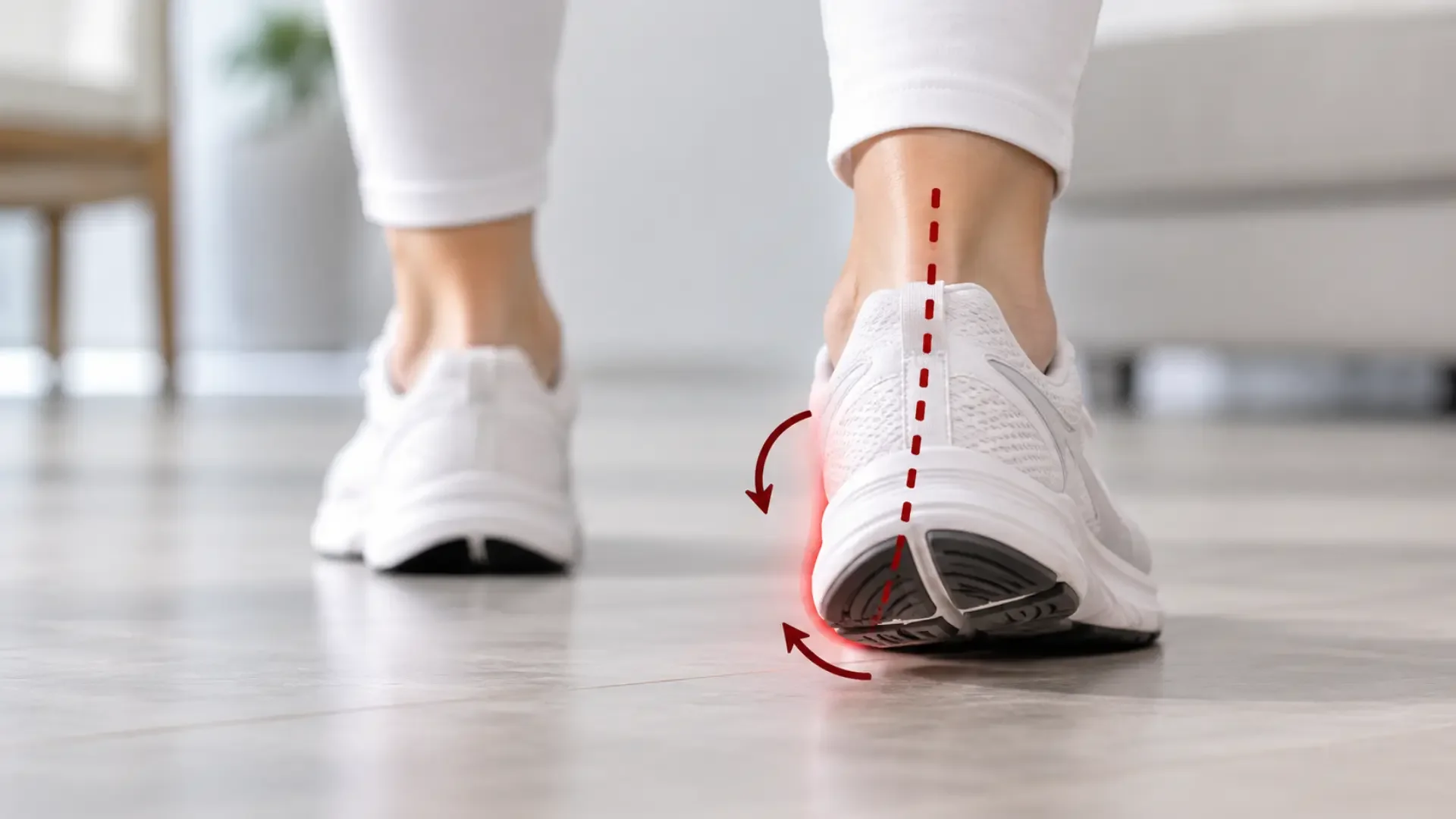
Overpronation (excessive inward rolling of the foot)
Supination (excessive outward rolling)
High arches
Uneven weight distribution
Leg length discrepancies
Over time, these imbalances can contribute to pain and discomfort far beyond the feet themselves.
How Poor Foot Mechanics Can Cause Knee Pain
The knee is particularly sensitive to foot alignment.
When the foot excessively rolls inward during walking or running, the lower leg may rotate inward as well. This can alter knee tracking and increase stress on the joint.
As a result, individuals may experience:
Runner's knee
Patellofemoral pain syndrome
IT band syndrome
Medial knee pain
General knee discomfort during walking or exercise
Even if the pain is felt in the knee, the root cause may originate from poor foot mechanics.
Without addressing the underlying issue, symptoms often return repeatedly.
How Your Feet Can Affect Lower Back Pain
Many people are surprised to learn that their feet can influence their lower back.
When the feet fail to provide proper support, the body compensates to maintain balance and stability.
This compensation may affect:
Pelvic alignment
Hip positioning
Spinal posture
Weight distribution
Over time, these changes can place additional stress on the muscles and joints of the lower back.
For example, individuals with flat feet often experience excessive inward rotation of the legs, which can alter pelvic positioning and contribute to lower back strain.
The result may be:
Chronic lower back discomfort
Tightness after standing for long periods
Fatigue during walking
Pain that worsens throughout the day
Can Insoles Actually Help?
The answer is: Yes, when the problem is biomechanical in nature.
Insoles can help reduce knee and lower back pain by improving how forces are distributed throughout the body.
However, not all insoles are created equal.
Simply adding a soft gel insert may increase comfort temporarily, but it often fails to address the underlying movement issue.
For lasting results, support and alignment matter more than cushioning alone.
Why Generic Insoles Often Fall Short
Many over-the-counter insoles are designed for the average foot.
The problem is that no one has an average foot.
Generic insoles typically provide:
Basic cushioning
Minimal structural support
Limited control of foot motion
While they may feel comfortable initially, they often do not correct the biomechanical factors contributing to knee or back pain.
As a result, symptoms may improve temporarily but eventually return.
How Custom Orthotics Help Improve Alignment
Custom orthotics are designed specifically for your feet and movement patterns.
Rather than simply adding cushioning, they help optimize the way your feet function during standing, walking, and running.
Custom orthotics may help:
Improve foot alignment
Reduce excessive pronation or supination
Promote more efficient movement
Improve pressure distribution
Reduce stress on the knees, hips, and lower back
Enhance comfort during daily activities
By addressing the foundation of movement, custom orthotics can help reduce strain throughout the kinetic chain.
Who May Benefit from Custom Orthotics?
You may benefit from a biomechanical assessment if you experience:
Persistent Knee Pain
Especially if discomfort occurs during walking, running, climbing stairs, or prolonged standing.
Recurring Lower Back Pain
Particularly when pain worsens after long periods of standing or walking.
Flat Feet or High Arches
Both conditions can alter force distribution and contribute to joint stress.
Uneven Shoe Wear
Uneven wear patterns may indicate abnormal movement mechanics.
Chronic Foot Fatigue
Feet that tire quickly often signal inefficient biomechanics.
The FOOTLAB Approach
At FOOTLAB, we understand that pain isn't always located where the problem starts.
That's why our process focuses on identifying the root cause rather than simply treating symptoms.
Our assessment includes:
Comprehensive Biomechanical Evaluation
We assess posture, lower limb alignment, and movement patterns.
Dynamic Pressure Analysis
Advanced scanning technology measures how forces are distributed across your feet.
Gait Assessment
We evaluate how your body moves during walking and identify abnormal loading patterns.
Custom Orthotic Fabrication
Each orthotic is designed to address your unique biomechanical needs and support optimal alignment.
Frequently Asked Questions
-
Insoles are not a cure for every type of knee pain. However, when poor foot mechanics contribute to the problem, properly designed orthotics can significantly reduce stress on the knee joint.
-
If abnormal foot mechanics are contributing to pelvic and spinal misalignment, custom orthotics may help reduce strain and improve overall comfort.
-
Many individuals notice improved comfort within the first few weeks, although long-term improvements depend on the condition being addressed.
-
Yes. Most custom orthotics can be transferred between compatible running shoes and everyday footwear.
The Bottom Line
Knee pain and lower back pain don't always start at the knees or back.
In many cases, the problem begins at the foundation—your feet.
If poor foot mechanics are affecting the way your body moves, addressing the issue at its source may help reduce stress on the joints above and improve overall comfort.
At FOOTLAB, our goal is to help you move better through science-based biomechanical assessment and custom orthotic solutions designed specifically for your needs.