Do I Need Orthotics? 5 Signs You Shouldn’t Ignore

Foot discomfort is often dismissed as a normal part of daily activity—especially for individuals in Manila who spend long hours standing, walking, or exercising. However, persistent strain or imbalance may indicate something more: your feet may not be functioning as efficiently as they should.
What Are Orthotics Really For?
Orthotics are not simply cushions or generic inserts; they are sophisticated biomechanical tools. They are specifically designed to:
Support proper alignment of the ankles, knees, and hips.
Improve pressure distribution across the entire sole of the foot.
Enhance movement efficiency, making walking and running feel less taxing.
5 Signs You May Need Orthotics
If you identify with any of the following, your foot mechanics might be the underlying cause of your discomfort.
1. You Experience Foot Pain Regularly
Pain in the heel (Plantar Fasciitis), arch, or forefoot—especially after activity—can signal mechanical strain. If it hurts to take your first steps in the morning, your foundation needs attention.
2. Your Feet Get Tired Easily
If standing or walking for extended periods leads to excessive fatigue, your feet may not be distributing load efficiently. This "heavy" feeling is often the result of muscles overworking to compensate for poor structure.
3. You Have Flat Feet or High Arches
Both conditions affect how your body absorbs impact and maintains balance.
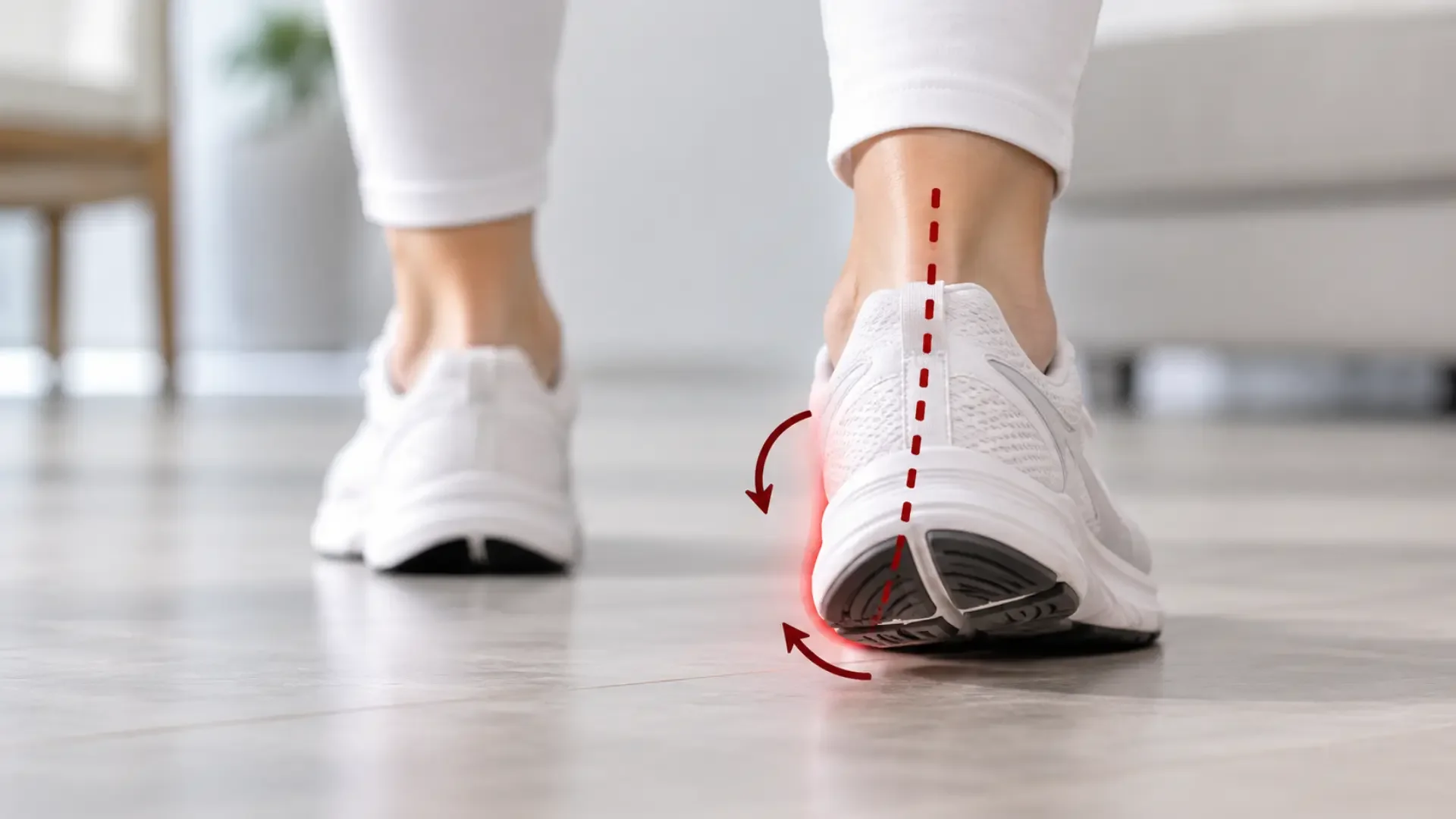
Flat Feet: Often lead to overpronation (feet rolling inward).
High Arches: Often lead to poor shock absorption.
Not sure which one you have? [Book a consultation now to find out]
4. You Experience Knee, Hip, or Lower Back Discomfort
The feet act as the foundation of the body. Misalignment at the base can influence the entire kinetic chain. If your foundation is tilted, your knees and back have to twist to keep you upright.
5. You Are Physically Active or Athletic
Repetitive impact from running, training, or sports increases the demand on your feet and joints. Orthotics help manage these high-force loads to keep you on the field or track longer.
FOOTLAB Clinical Insight
Many individuals seek support only after pain becomes severe. However, in clinical practice, addressing biomechanical inefficiencies early often helps:
Reduce long-term strain on joints.
Improve movement quality and athletic performance.
Prevent recurring issues before they become chronic injuries.
Orthotics vs. Store-Bought Insoles
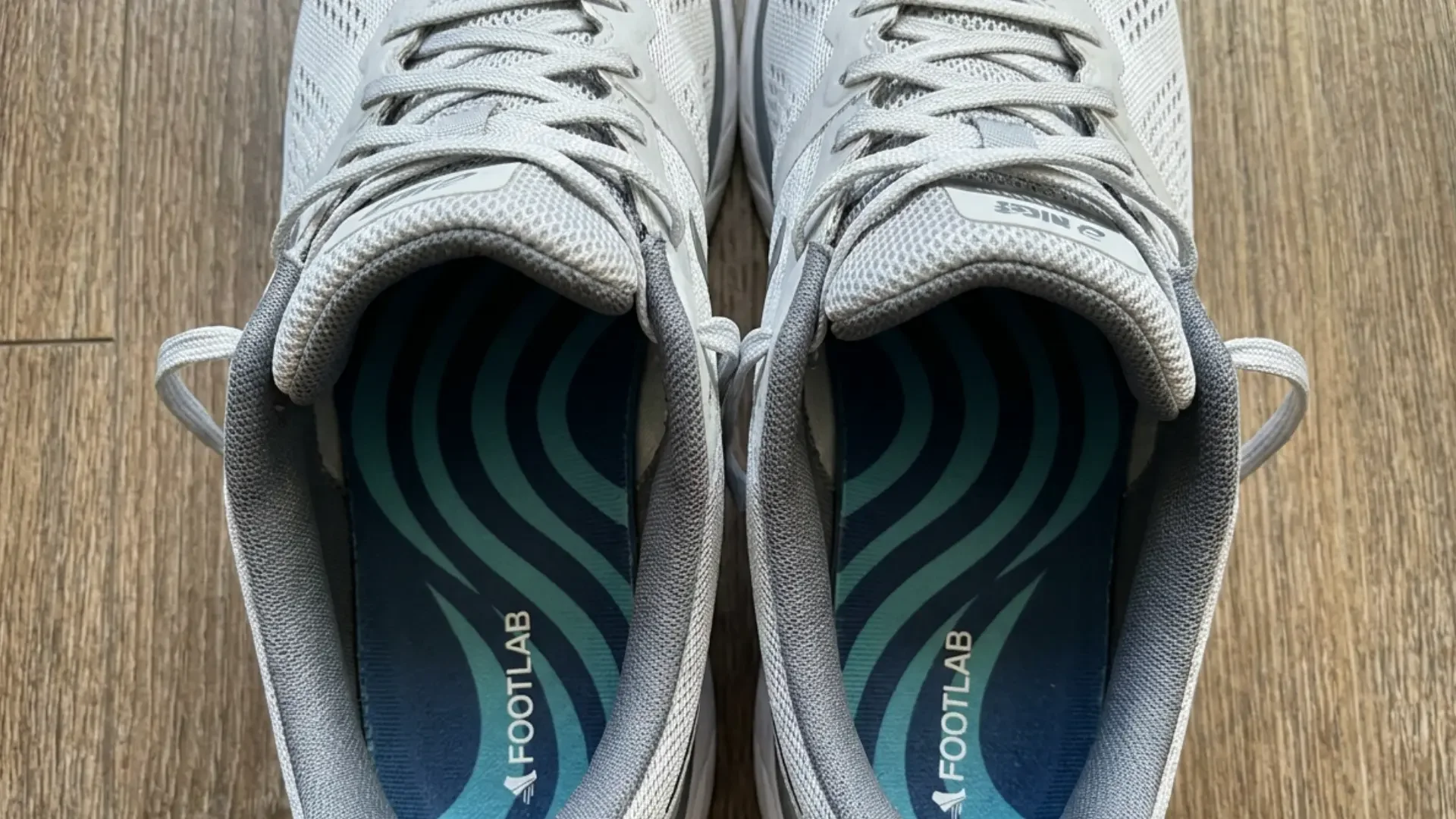
What makes the FOOTLAB approach different? It comes down to the level of precision:
Off-the-Shelf Insoles
General Cushioning: They provide softness but little structural change.
Mass-Produced: Designed for a "generic" foot shape that doesn't actually exist.
Short-Term: Often lose their shape and support within a few weeks of heavy use.
Custom Orthotics
Tailored to Your Structure: Every curve of your foot is accounted for.
Specific Movement Patterns: Designed based on how you move, not an average.
Clinical Assessment: Built from data gathered during a professional biomechanical exam.
Frequently Answered Questions
-
Yes. They can be used proactively to support better movement and prevent issues.
-
They are part of a broader approach and may work best alongside proper footwear and medical guidance.
-
A biomechanical assessment is the most reliable way to determine this. Click this to book an appointment.
A More Informed Approach to Movement
Ignoring early signs of strain often leads to more complex issues over time.
Understanding how your feet function—and addressing imbalances early—can make a
meaningful difference in long-term mobility.
At FOOTLAB, assessments are designed to identify these patterns and provide precise,
individualized support.