Plantar Fasciitis Treatment Manila: What Actually Works (And What Doesn’t)

Heel pain is one of the most common complaints among active individuals and professionals who spend long hours on their feet. One of the leading causes is Plantar Fasciitis—a condition that can become persistent if not properly addressed.
So what actually works?
The most effective treatment for plantar fasciitis focuses on addressing the root cause—biomechanical strain—rather than just relieving symptoms.
What Is Plantar Fasciitis?
Plantar fasciitis occurs when the plantar fascia—a thick band of tissue supporting the arch—becomes irritated due to repetitive stress.
Common symptoms include:
Sharp heel pain (especially in the morning)
Pain after long periods of standing or walking
Tightness along the arch
Why It Happens (The Root Cause Most People Miss)
Many assume plantar fasciitis is simply due to:
Overuse
Poor footwear
Lack of stretching
While these contribute, they are often not the primary issue.
In many cases, the real cause is:
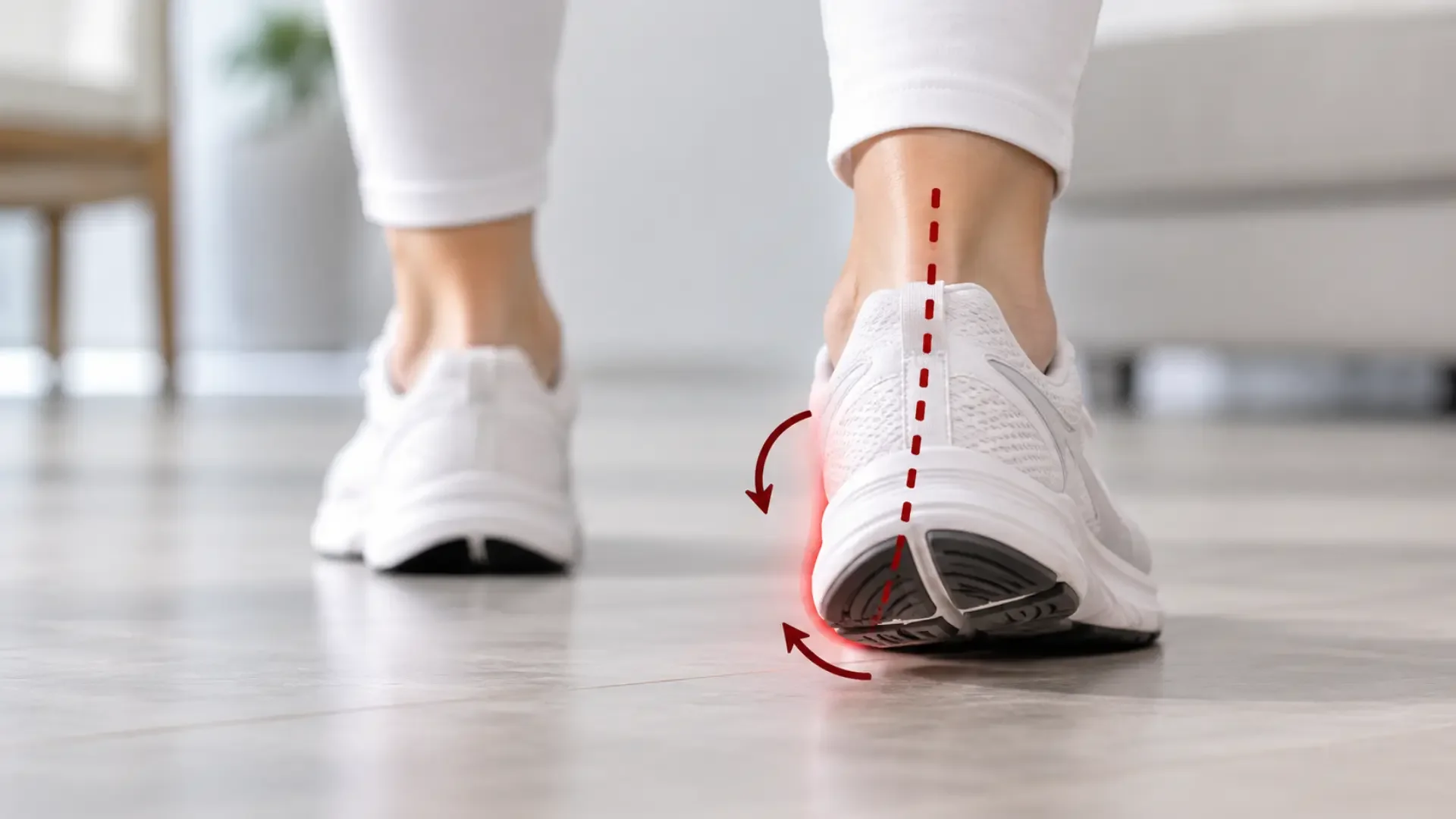
Poor load distribution such as Flat Feet, overpronation, suppination
Abnormal foot mechanics
Lack of proper structural support
In other words:
The way your foot moves—not just what you wear—drives the problem.
What Actually Works (Evidence-Based Approach)
Effective plantar fasciitis treatment is not one single solution—it’s a combination of targeted interventions:
1. Load Management
Reducing excessive strain on the plantar fascia is critical in the early stage.
2. Proper Support
Support that aligns with your foot structure helps:
Reduce tension on the fascia
Improve pressure distribution
Prevent recurring strain
3. Biomechanical Correction
Addressing how your foot moves during walking or standing is key to long-term relief.
4. Consistency Over Quick Fixes
Short-term relief methods may help temporarily—but without correcting mechanics, symptoms often return.
What Doesn’t Work Long-Term
Many patients try:
Generic insoles
Temporary padding
Switching between different shoes
While these may provide short-term comfort, they often:
Do not correct alignment
Do not address root cause
Lead to recurring pain
FOOTLAB Clinical Insight
In clinical assessments, many patients with plantar fasciitis have already tried rest, stretching, and multiple footwear options with limited success. What we consistently observe is that unresolved biomechanical strain—particularly in arch support and load distribution—continues to drive symptoms despite these efforts.
When Should You Seek Professional Help?
You should consider a proper assessment if:
Pain persists beyond a few weeks
Symptoms return repeatedly
Discomfort affects daily activities or performance
Early intervention can help prevent the condition from becoming chronic.
Custom Orthotics vs Store-Bought Insoles
Off-the-shelf insoles:
Provide general cushioning
Are not tailored to your structure
Custom orthotics:
Are based on your biomechanics
Address specific movement patterns
Provide targeted, consistent support
This distinction is critical for long-term outcomes.
Frequently Asked Questions
-
It varies, but without addressing the root cause, symptoms can persist for months or longer.
-
In mild cases, it may improve—but recurrence is common if underlying mechanics are not corrected.
-
Reducing strain and improving support can help, but sustainable relief requires addressing biomechanics.
-
Not in all cases—but for many individuals, they play a key role in reducing strain and preventing recurrence.
A More Effective Approach to Treatment
Managing plantar fasciitis is not just about reducing pain—it’s about correcting the factors that cause it.
If treatment focuses only on symptoms, relief is often temporary.
If it addresses biomechanics, outcomes are more sustainable.
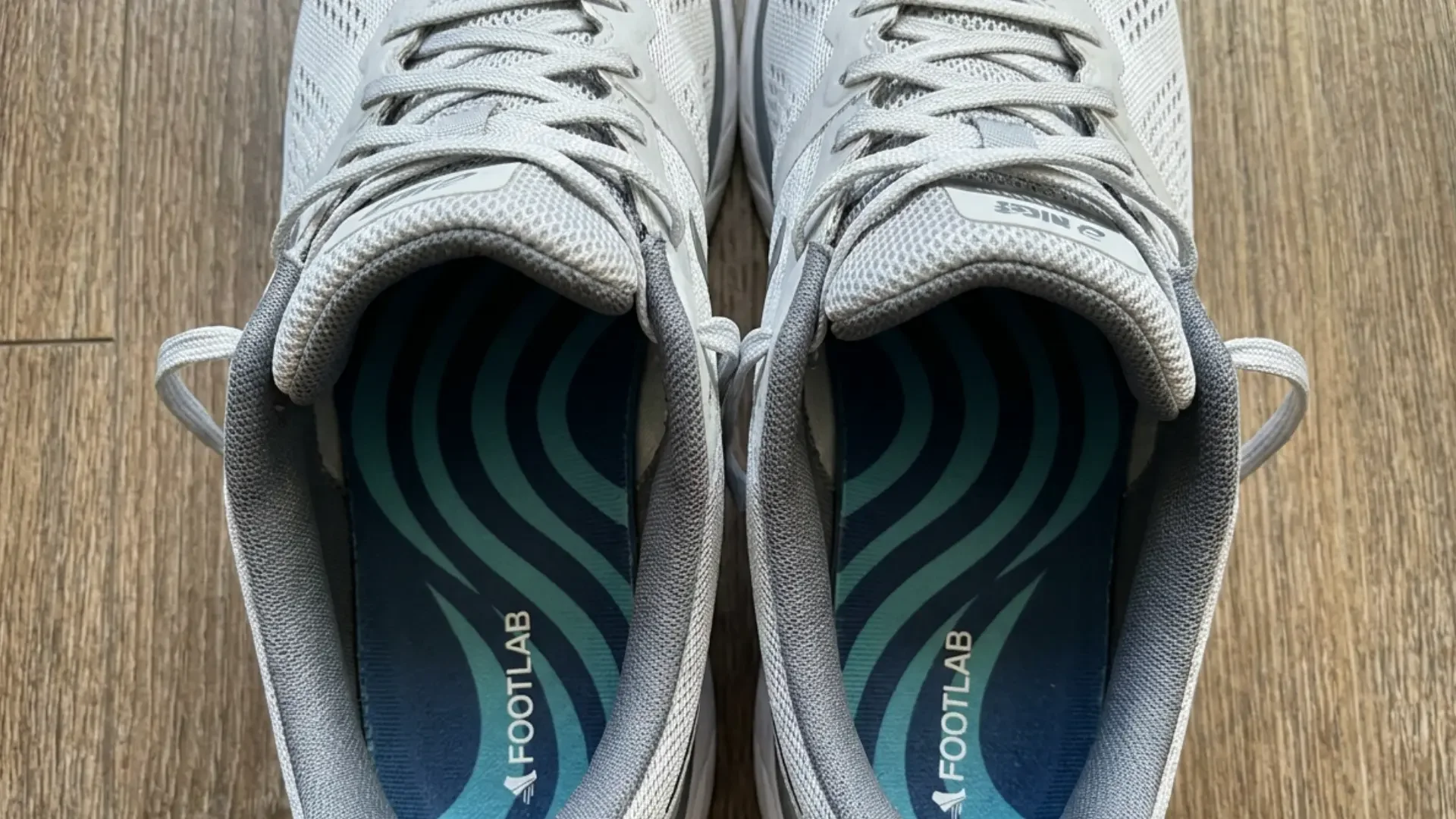
At FOOTLAB, each case is approached through structured biomechanical assessment to identify contributing factors and guide precise, individualized support.
Next Step: Understanding the Root Cause
If heel pain continues despite rest or footwear changes, it may be time to look deeper.
A proper assessment can help determine:
How your foot distributes load
Where strain is coming from
What type of support is actually needed