Do Runners Need Custom Insoles?
Whether you're training for your first 5K, preparing for a marathon, or simply running to stay healthy, you've probably experienced some form of foot discomfort at some point. Sore arches, heel pain, shin splints, knee aches, and recurring injuries are common complaints among runners of all levels.
When these issues arise, many runners start searching for solutions and often come across one recommendation: custom insoles.
But do runners really need custom insoles?
The answer depends on your foot mechanics, running style, injury history, and performance goals. While not every runner requires custom orthotics, many runners can significantly benefit from them—especially those experiencing recurring pain or biomechanical imbalances.
Let's explore the science behind custom insoles and whether they're right for you.
Why Running Places Unique Stress on Your Feet
Running is a high-impact activity.
With every stride, your feet absorb forces that can be 2 to 3 times your body weight. During a long run, your feet may strike the ground thousands of times, placing repetitive stress on your muscles, tendons, ligaments, and joints.
If your feet are not functioning efficiently, that stress doesn't stay in your feet alone. It can travel up the kinetic chain and contribute to:
Plantar fasciitis
Achilles tendonitis
Shin splints
Runner's knee
IT band syndrome
Hip discomfort
Lower back pain
Even small biomechanical issues can become major problems when repeated over hundreds of kilometers.
What Are Custom Insoles?
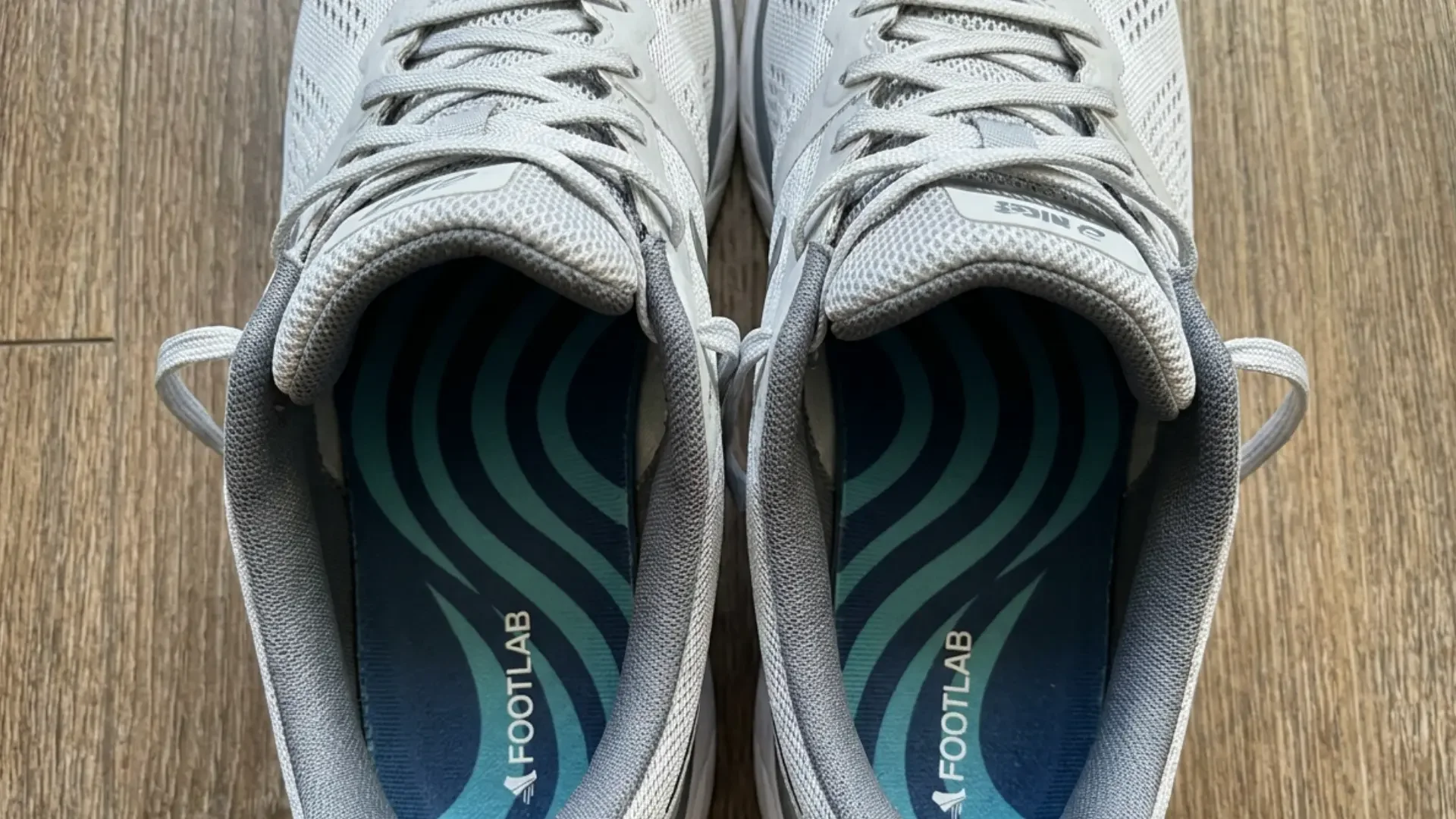
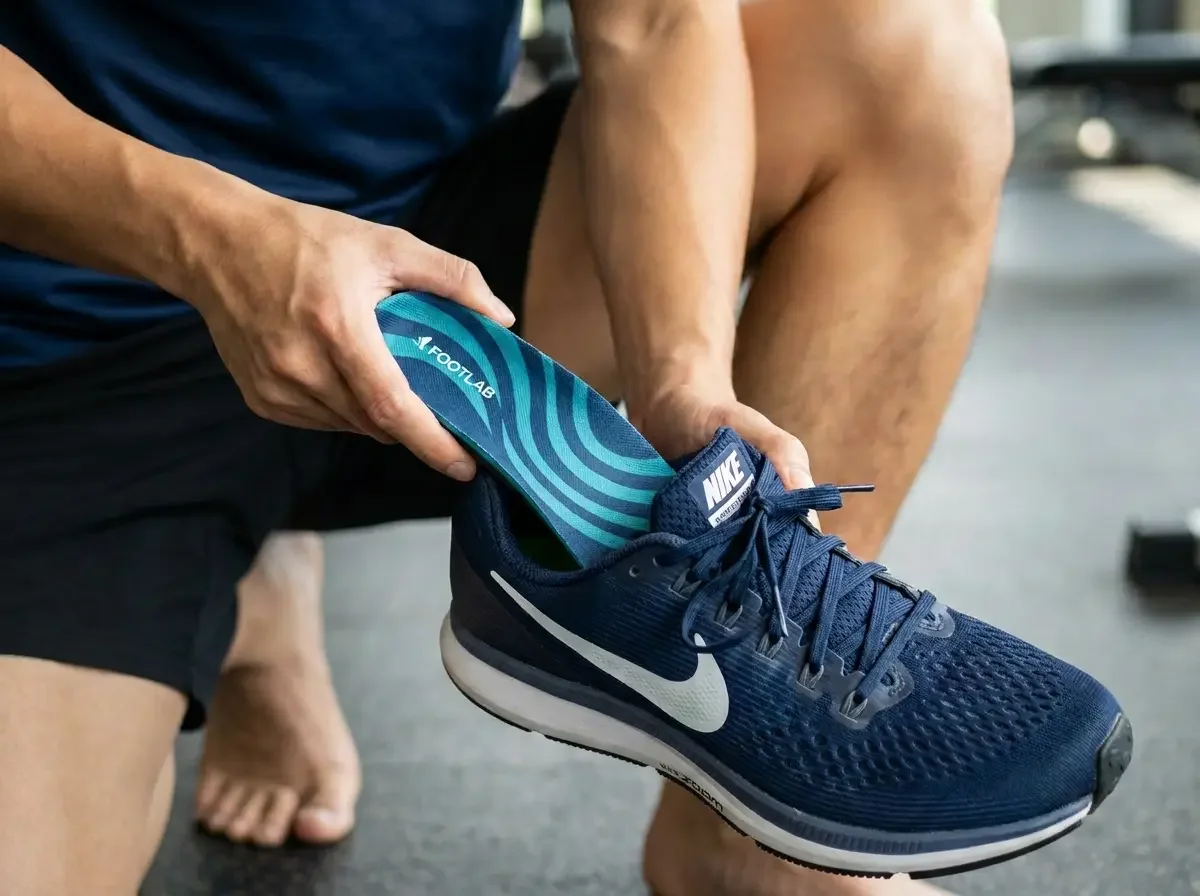
Custom insoles, also known as custom orthotics, are medical-grade devices designed specifically for your feet.
Unlike generic insoles bought off the shelf, custom orthotics are created based on a detailed assessment of your foot structure, pressure distribution, gait mechanics, and movement patterns.
Their goal isn't simply to make your shoes feel softer.
Their purpose is to:
Improve foot alignment
Support the arches
Control excessive foot motion
Distribute pressure more evenly
Reduce stress on muscles and joints
Improve overall biomechanics during walking and running
Signs a Runner May Benefit from Custom Insoles
Not every runner needs custom orthotics. However, you may benefit from them if you experience:
Recurring Foot Pain
Persistent heel pain, arch pain, or forefoot discomfort may indicate underlying biomechanical issues that cushioning alone cannot solve.
Frequent Running Injuries
If injuries keep returning despite proper training, recovery, and footwear, poor foot mechanics could be a contributing factor.
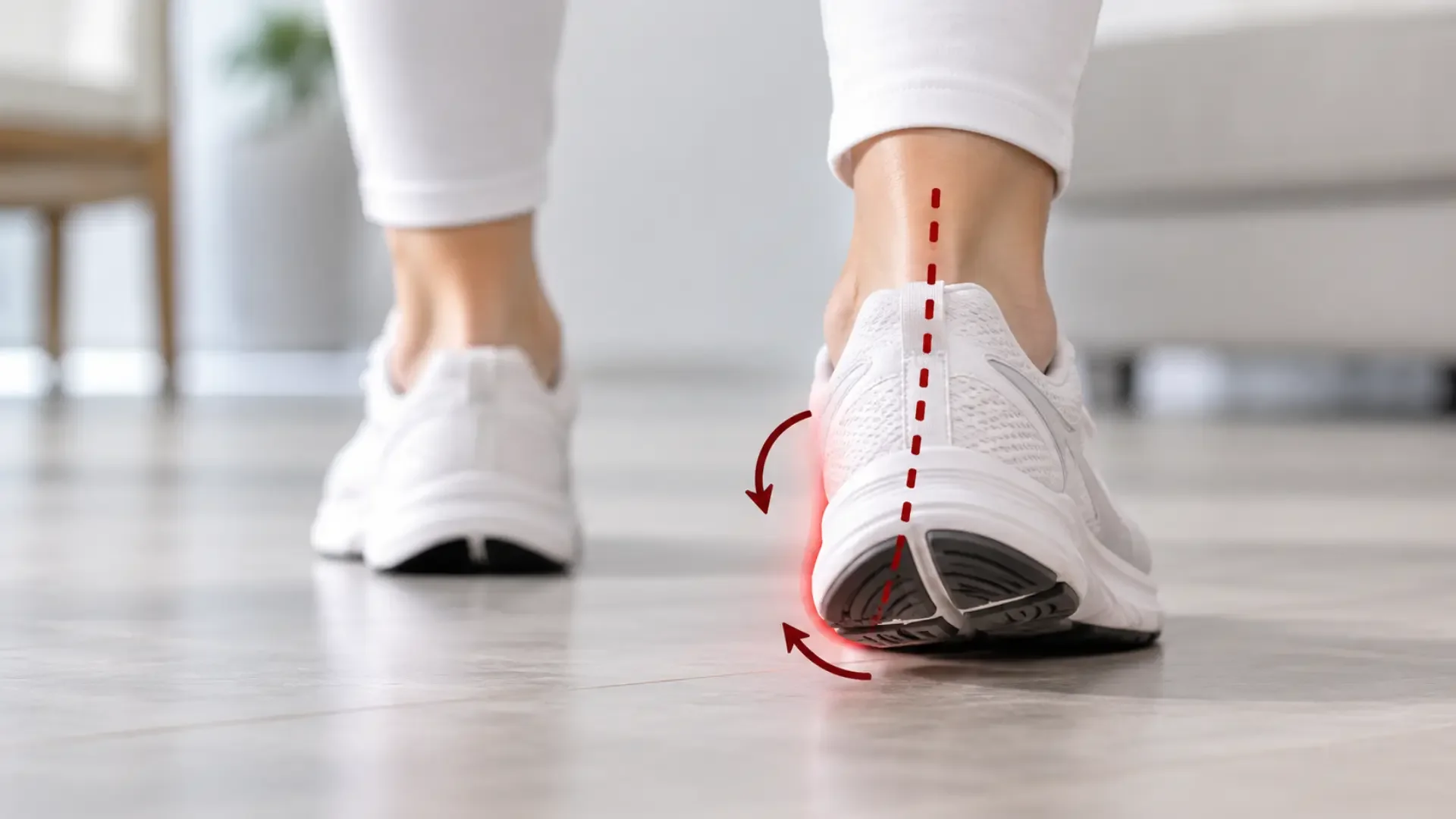
Overpronation or Supination
Excessive inward rolling (overpronation) or outward rolling (supination) can place abnormal stress on your lower limbs and affect running efficiency.
Flat Feet or High Arches
Both foot types can alter force distribution during running and increase injury risk.
Uneven Shoe Wear
If one side of your running shoes wears down significantly faster than the other, it may indicate abnormal gait mechanics.
Custom Insoles vs. Over-the-Counter Insoles
Many runners wonder whether they can simply purchase a pair of insoles from a sporting goods store.
While over-the-counter insoles can provide temporary comfort, they are fundamentally different from custom orthotics.
Generic Running Insoles
Advantages:
Affordable
Easily available
Additional cushioning
Limitations:
Not tailored to your foot structure
Limited biomechanical correction
May compress over time
Often fail to address the root cause of pain
Custom Orthotics
Advantages:
Individually designed for your feet
Precise biomechanical support
Improved pressure distribution
Long-term durability
Addresses underlying movement issues
Limitations:
Higher initial investment
Requires professional assessment
For runners dealing with recurring pain or chronic injuries, custom orthotics often provide a more effective long-term solution.
Can Custom Insoles Improve Running Performance?
One of the most common questions runners ask is whether custom orthotics can make them faster.
The primary goal of custom orthotics is not speed.
Their main objective is to improve movement efficiency and reduce unnecessary stress on the body.
When your feet function more efficiently, you may experience:
Improved comfort during long runs
Reduced fatigue
Better running mechanics
Enhanced stability
More consistent training
The biggest performance gain often comes from staying healthy enough to train consistently.
After all, the best training plan in the world won't help if you're constantly sidelined by injuries.
How FOOTLAB Assesses Runners
At FOOTLAB, we don't believe in a one-size-fits-all approach.
Every runner has unique biomechanics, training habits, and performance goals. That's why our assessment process focuses on identifying the root cause of discomfort and inefficiency.
Our process includes:
Comprehensive Biomechanical Assessment
We evaluate your posture, lower limb alignment, and movement patterns.
Dynamic Pressure Analysis
Advanced foot scanning technology helps identify pressure points and loading patterns.
Gait Evaluation
We assess how your feet function during movement and identify areas that may contribute to injury risk.
Custom Orthotic Design
Each orthotic is individually crafted to support your specific biomechanical needs.
-
Yes. Many competitive and recreational runners use custom orthotics to manage injuries, improve comfort, and support efficient biomechanics.
-
While no device can completely prevent injuries, custom orthotics can reduce excessive stress on tissues and improve overall biomechanics, potentially lowering injury risk.
-
Medical-grade custom orthotics can typically last between 2 to 3 years, depending on usage, activity level, and maintenance.
-
Yes. Most custom orthotics can be transferred between compatible running shoes and everyday footwear.
The Bottom Line
Not every runner needs custom insoles. However, if you're dealing with recurring pain, chronic injuries, poor foot mechanics, or discomfort that keeps coming back despite changing shoes, a professional biomechanical assessment may reveal the underlying cause.
The goal isn't simply to add cushioning.
The goal is to create a stronger foundation for every step, every kilometer, and every finish line.
At FOOTLAB, we help runners move better, train smarter, and stay active through clinically guided biomechanical assessment and custom orthotic solutions.