
Plantar Fasciitis: Causes, Symptoms & Heel Pain Treatment Support
Experiencing persistent heel pain with your first steps in the morning? Learn what causes plantar fasciitis, the common symptoms to watch for, and how custom orthotic insoles may help reduce strain on the plantar fascia, improve foot support, and restore comfortable movement.
What Is Plantar Fasciitis?
Plantar fasciitis is one of the most common causes of heel pain. It occurs when the plantar fascia—a thick band of connective tissue running along the bottom of your foot from your heel to your toes—becomes irritated or inflamed due to repetitive stress.
When heel pain shifts the way you walk, your body compensates to avoid discomfort. This creates abnormal stress points and mechanics across the entire kinetic chain:
Without proper management, overloaded tissue can cause microscopic tears, leading to lingering pain, diminished flexibility, and decreased physical performance.
-
Sharp Heel Pain
A stabbing pain underneath the heel, particularly during the first few steps after waking up.
-
Morning Stiffness
Pain and stiffness localized inside the foot tissues that improve gradually after walking.
-
Pain After Rest
Heel discomfort returns dynamically after sitting, driving, or standing for prolonged periods.
-
Arch Pain
An aching or burning sensation tracking along the primary longitudinal arch of the foot.
-
Pain After Exercise
Symptoms often worsen after physical activity rather than during the exercise itself.
-
Tender Heel Base
Focal tenderness or soreness when pressing directly on the bottom center of the heel.
-
Tight Achilles Tendon
Calf tightness frequently accompanies irritation, increasing structural stress on the plantar fascia.
-
Standing Fatigue
Difficulty maintaining structural standing balance comfortably for extended periods.
-
Reduced Comfort
Completing long walking distances or routine running intervals becomes increasingly painful.
-
Compensatory Pain
Pain spreads to ankles, knees, hips, or the lower back due to altered movement patterns.
-
Decreased Performance
Running, jumping, and sports activities become uncomfortable because of persistent heel pain.
-
Progressive Symptoms
Without proper management, symptom occurrences become noticeably more frequent and severe.
What Causes Plantar Fasciitis?
Several factors can increase your risk of developing plantar fasciitis.
Overuse
Frequent walking, running, prolonged standing, or high-impact activities place repetitive stress on the plantar fascia.
Flat Feet
Low arches may increase strain on the plantar fascia because of excessive inward foot motion.
High Arches
Rigid feet absorb less shock, placing greater tension on the plantar fascia.
Tight Calf Muscles
Limited ankle flexibility increases pulling forces on the heel and plantar fascia.
Improper Footwear
Shoes with poor cushioning or inadequate arch support can contribute to excessive stress.
Excess Body Weight
Additional body weight increases the load placed on the heel with every step.
Age
Plantar fasciitis commonly affects adults between 40 and 60 years old but can occur at any age.
Occupation
Jobs that require prolonged standing or walking on hard surfaces increase the likelihood of heel pain.
Why Does Plantar Fasciitis Become Painful?
The plantar fascia is designed to absorb the impact generated during walking and running.
When repetitive stress exceeds the tissue's ability to recover, microscopic tears develop, leading to inflammation and degeneration.
This can result in:
- Persistent heel pain
- Reduced shock absorption
- Tightness in the foot and calf
- Altered walking mechanics
- Increased strain on the knees and hips
- Difficulty exercising or standing for long periods
- Chronic discomfort affecting daily activities
Can Custom Orthotic Insoles Help Plantar Fasciitis?
Custom orthotic insoles may help reduce stress placed on the plantar fascia by improving foot alignment, supporting the arch, and distributing pressure more evenly across the foot. Unlike generic insoles, custom orthotics are designed specifically for your unique foot structure and movement patterns.
Your assessment may include:
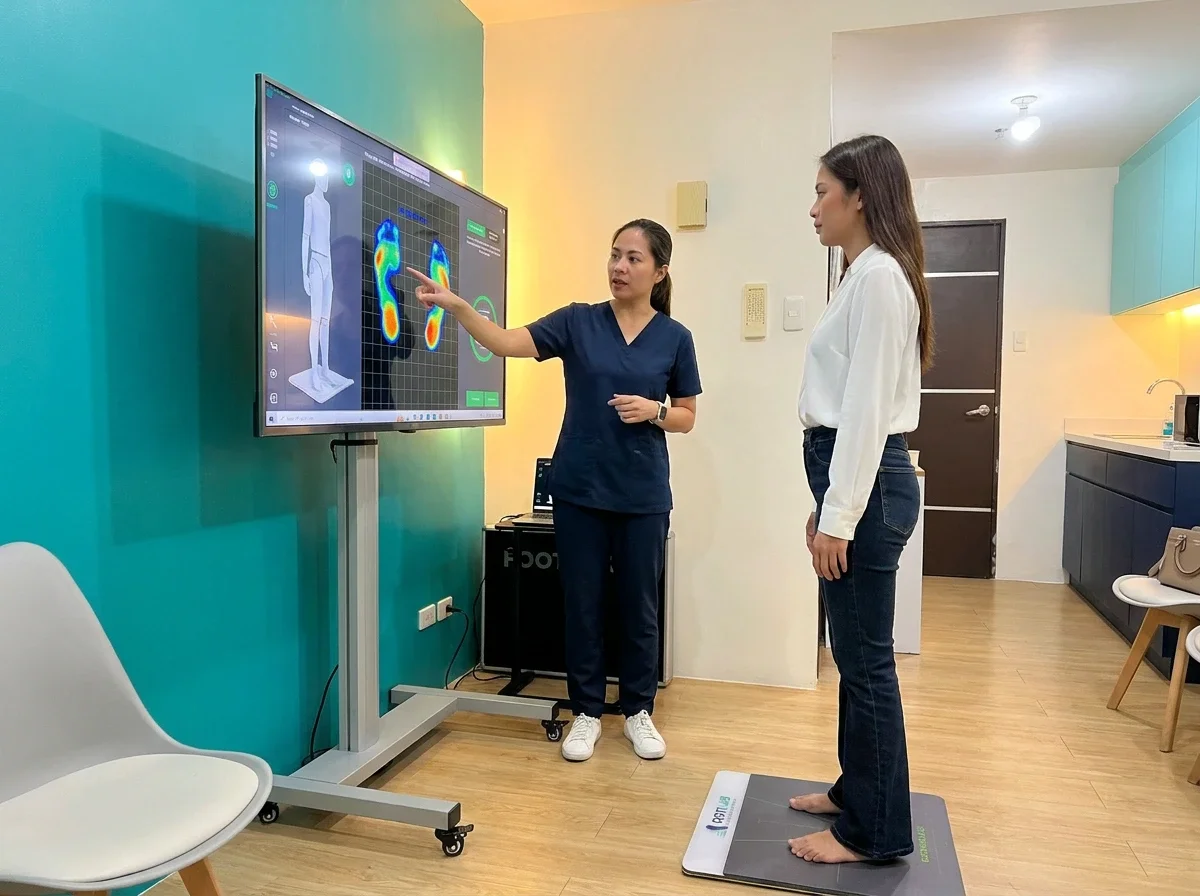
Foot posture evaluation, digital pressure mapping, walking and gait analysis, functional movement assessment, and personalized treatment recommendations.
Based on your assessment results, our orthotists will recommend the most appropriate custom orthotic solution for your individual needs.