Do Children Need Custom Insoles? Signs Parents Should Watch For
As parents, we pay close attention to our children's growth—from their height and weight to their speech and learning milestones. But one area that's often overlooked is foot development.
Many parents assume their child will simply "grow out of" flat feet, awkward walking, or frequent complaints of leg pain. While this may be true for some children, others may have underlying biomechanical issues that can affect their comfort, mobility, and overall development.
So, do children need custom insoles?
The answer is not every child does. However, if a child is experiencing persistent symptoms or abnormal movement patterns, a professional biomechanical assessment may help determine whether custom orthotics are appropriate.
Why Children's Foot Development Matters
A child's feet go through significant changes as they grow.
During the early years, it's common for children to have flexible flat feet because the arches are still developing. In many cases, these arches naturally form as the child grows older.
However, some children continue to experience abnormal foot mechanics that can affect:
Walking
Running
Balance
Coordination
Sports participation
Overall comfort during daily activities
Because the feet serve as the body's foundation, problems that begin in childhood may influence movement throughout the knees, hips, and lower back over time.
Signs Parents Should Watch For
Not every child with flat feet needs treatment, but certain signs shouldn't be ignored.
1. Frequent Foot or Heel Pain
Children should generally be able to play, run, and stay active without persistent foot pain.
If your child regularly complains of:
Heel pain
Arch pain
Foot soreness
Pain after sports or physical activity
it may be worth having their foot mechanics evaluated.
Pain should never be considered a normal part of growing up.
2. Flat Feet That Persist Beyond Early Childhood
Flat feet are common in toddlers and young children.
However, if the arches remain absent as your child grows—and especially if accompanied by pain or fatigue—it may indicate that additional support is needed.
A professional assessment can determine whether the flat feet are flexible, rigid, or contributing to movement problems.
3. Frequent Tripping or Poor Balance
Does your child seem unusually clumsy compared to other children of the same age?
Frequent tripping, stumbling, or poor balance may sometimes be linked to foot alignment and stability.
While many children are naturally energetic and playful, persistent coordination issues deserve further evaluation.
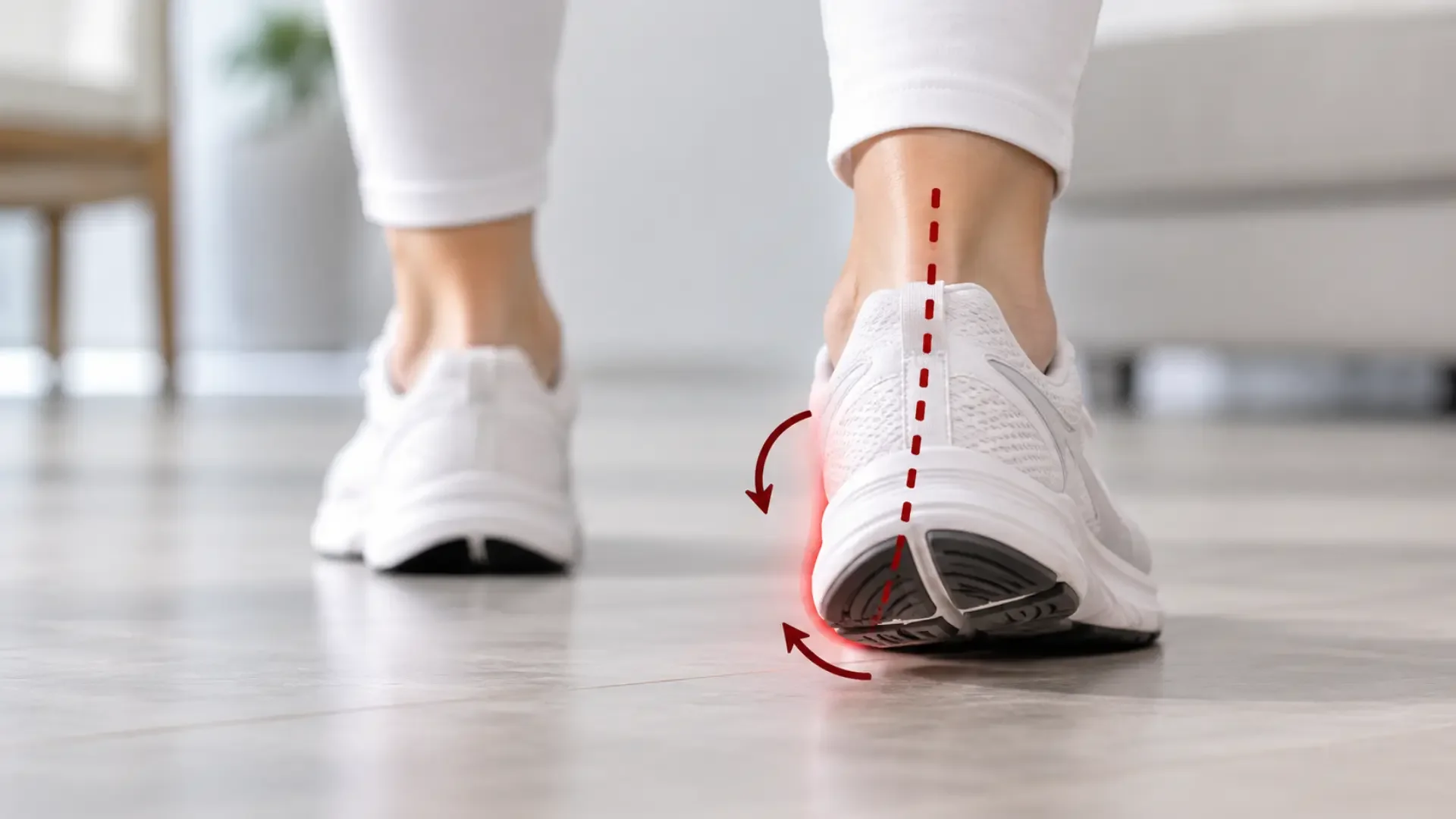
4. Uneven Shoe Wear
Take a look at your child's shoes.
If one side wears out much faster than the other, it may indicate abnormal walking mechanics.
Uneven shoe wear can be an early sign of:
Overpronation
Supination
Uneven weight distribution
Gait abnormalities
5. Leg Pain After Physical Activity
Many parents hear children complain of "growing pains."
While some discomfort may be associated with growth, recurring pain after running, walking, or sports should not automatically be dismissed.
Poor foot mechanics can increase stress on the muscles and joints of the legs, contributing to discomfort.
6. Walking With Feet Turned In or Out
If your child consistently walks with their feet pointing excessively inward or outward, it may affect overall alignment and movement efficiency.
Although some variations are part of normal development, persistent gait abnormalities should be evaluated by a healthcare professional.
7. Early Fatigue During Walking
Does your child avoid long walks or ask to be carried sooner than expected?
Children whose feet lack adequate support may tire more quickly because their muscles have to work harder to maintain stability.
Do All Children With Flat Feet Need Custom Insoles?
No.
Many children with flexible flat feet experience no pain or functional limitations and do not require treatment.
Custom orthotics are generally considered when foot mechanics contribute to:
Persistent pain
Reduced mobility
Poor balance
Frequent injuries
Difficulty participating in normal daily activities or sports
The goal is not simply to change the appearance of the foot—it is to improve function and comfort.
How Custom Orthotics Can Help Growing Feet
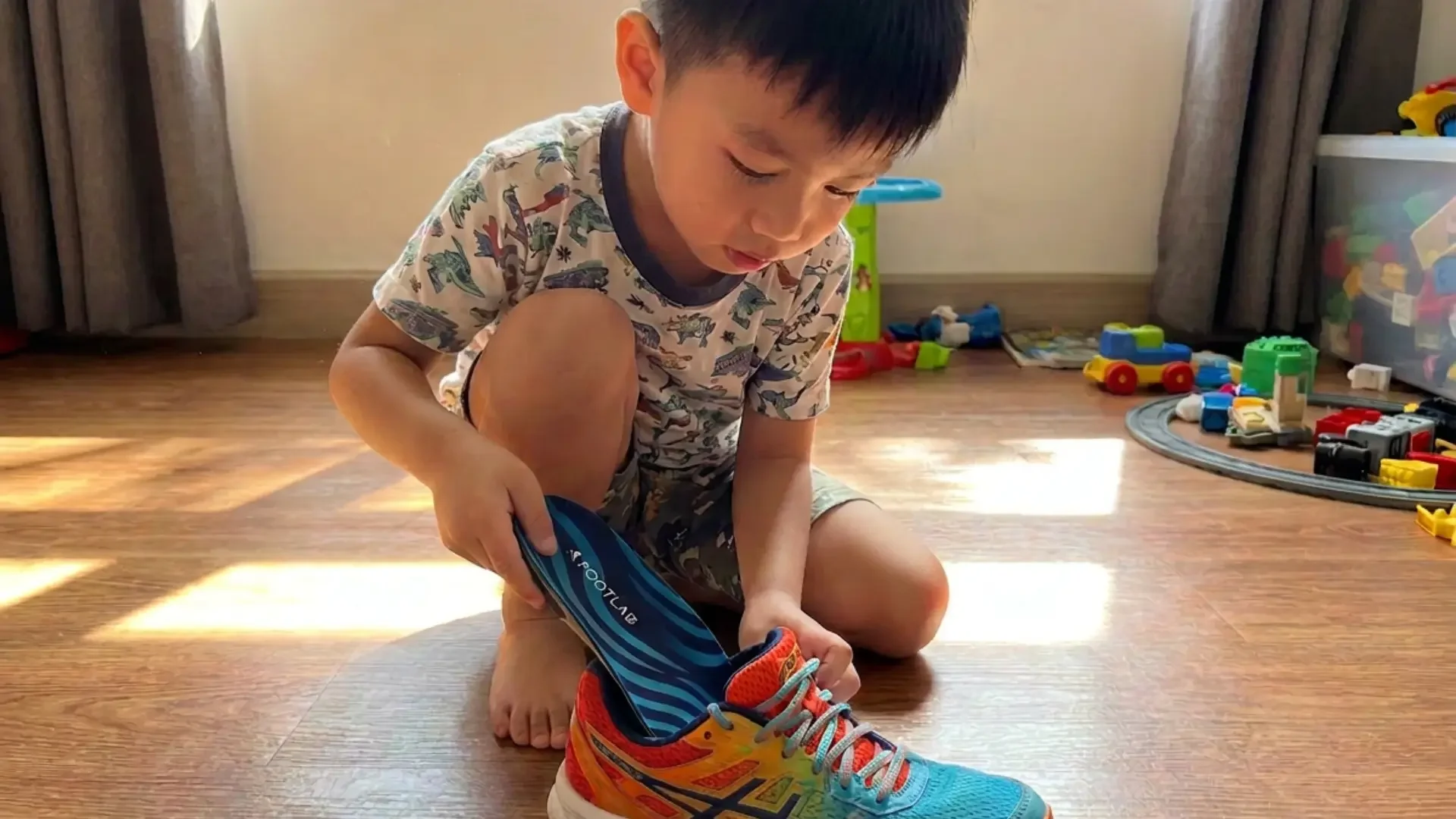
When prescribed appropriately, custom orthotics can provide additional support during important stages of development.
Depending on the child's needs, they may help:
Support developing arches
Improve foot alignment
Reduce excessive pronation
Distribute pressure more evenly
Improve walking and running mechanics
Reduce strain on the feet and legs
Increase comfort during school and sports
Because children are still growing, orthotics should always be monitored and reviewed periodically by qualified professionals.
The Importance of Early Assessment
Many childhood foot conditions are easier to manage when identified early.
Early assessment does not always mean treatment is necessary.
Sometimes, parents simply gain peace of mind knowing their child's foot development is progressing normally.
If intervention is recommended, addressing biomechanical issues early may help reduce unnecessary strain and support healthier movement as the child grows.
The FOOTLAB Approach
At FOOTLAB, every child receives an individualized assessment based on their unique foot structure and movement patterns.
Our evaluation includes:
Comprehensive Biomechanical Assessment
We examine posture, lower limb alignment, and overall movement.
Dynamic Pressure Analysis
Advanced technology measures how pressure is distributed across your child's feet.
Gait Assessment
We observe how your child walks and identify any abnormal movement patterns.
Custom Orthotic Fabrication
If clinically appropriate, custom orthotics are designed specifically for your child's unique needs and level of activity.
Frequently Asked Questions
-
There is no single age that applies to every child. Recommendations depend on the child's development, symptoms, and clinical assessment rather than age alone.
-
No. Properly prescribed orthotics are designed to support healthy biomechanics, not replace normal muscle function.
-
Yes. For children with biomechanical issues, custom orthotics may improve comfort, stability, and movement during sports and physical activities.
-
If your child experiences recurring pain, abnormal walking patterns, frequent falls, uneven shoe wear, or difficulty keeping up with physical activities, a professional biomechanical assessment can help determine the underlying cause.
The Bottom Line
Growing feet deserve the same attention as every other part of a child's development.
While many children develop healthy foot mechanics naturally, persistent pain, unusual walking patterns, and balance issues should never be ignored.
A professional biomechanical assessment can help identify whether your child's feet are developing as expected or whether additional support may improve their comfort and mobility.
At FOOTLAB, we're committed to helping children build strong foundations for healthy movement—because every great journey begins with confident first steps.