Foot Pain in Seniors: Causes, Risks, and Proper Support

As we get older, staying active becomes even more important.
Walking, exercising, doing household activities, and simply moving around independently all contribute to a healthier and more active lifestyle. But for many seniors, foot pain can gradually make these everyday activities more difficult.
A sore heel, aching arch, swollen feet, or painful joints may seem like a normal part of getting older. However, persistent foot pain should not simply be accepted as a consequence of aging.
Foot problems can affect much more than the feet. They can change the way a person walks, reduce mobility, affect balance, and potentially increase the risk of falls.
Understanding the causes of foot pain—and providing the right support—can help seniors stay mobile and confident.
Why Foot Health Becomes More Important With Age
Our feet carry us through thousands of steps every day.
As we age, however, changes in the muscles, joints, ligaments, skin, and soft tissues can affect how the feet function.
Some seniors may experience:
Reduced muscle strength
Changes in foot structure
Stiffer joints
Reduced cushioning under the feet
Changes in balance
Reduced flexibility
Greater sensitivity to pressure
These changes can make everyday walking more demanding and may increase the likelihood of foot discomfort.
But while some changes are a natural part of aging, pain, instability, or significant changes in walking should be properly assessed.
Common Causes of Foot Pain in Seniors
Foot pain can have many different causes. Identifying the underlying issue is important because the right support depends on what is causing the discomfort.
1. Arthritis
Arthritis can affect the joints of the feet and ankles, causing pain, stiffness, and reduced mobility.
Symptoms may become more noticeable when walking for extended periods or standing for long periods.
2. Plantar Fasciitis
The plantar fascia is a strong band of tissue that supports the arch of the foot.
When this tissue becomes irritated, it can cause pain around the heel or bottom of the foot.
A common symptom is sharp heel pain when taking the first steps after waking up or after prolonged rest.
3. Flat Feet and Changes in the Arch
The structure of the foot can change over time.
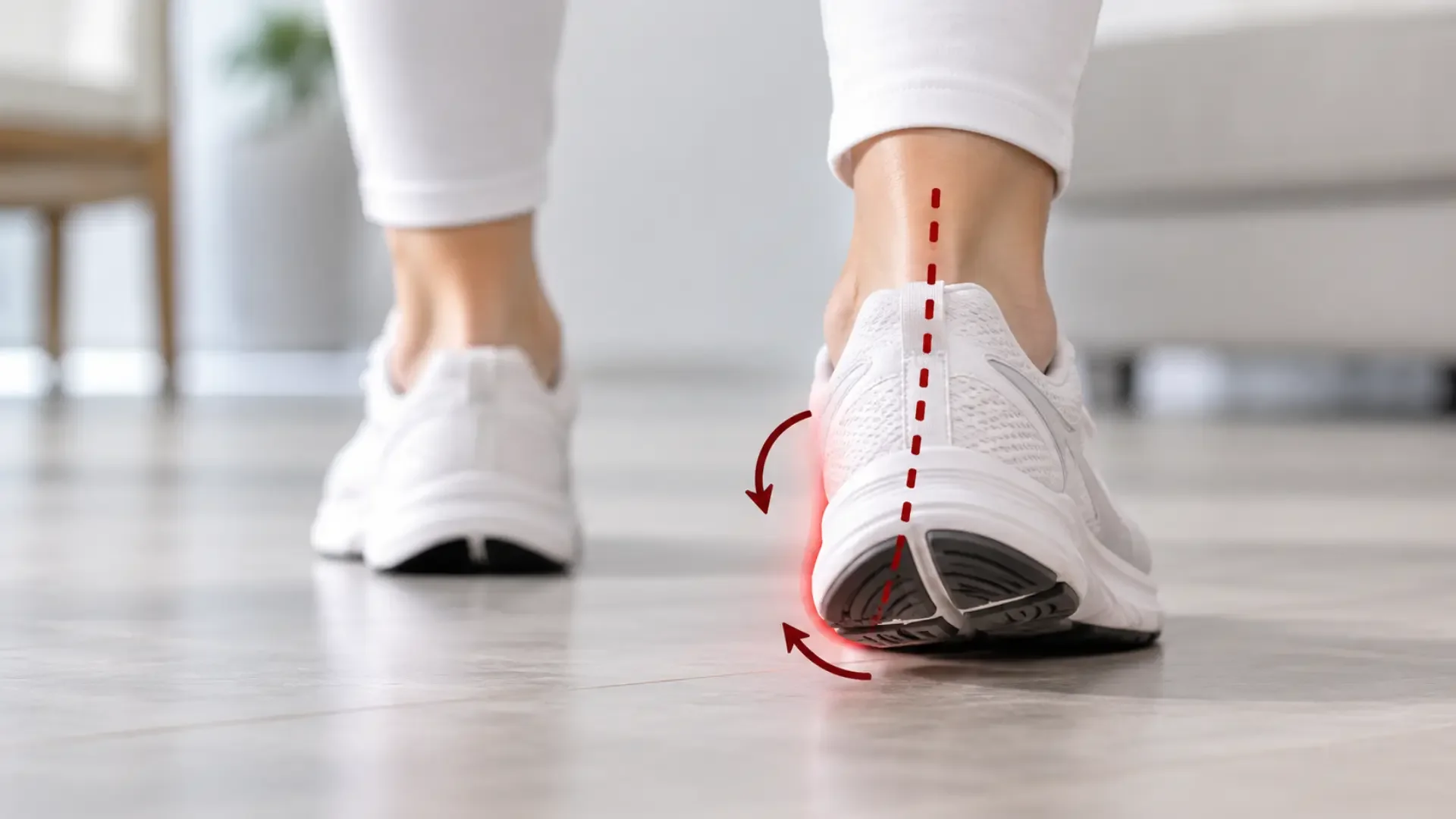
Some seniors develop flatter arches or increased foot flexibility, which can affect how weight is distributed during walking.
This may contribute to:
Arch pain
Heel discomfort
Foot fatigue
Knee discomfort
Lower back strain
4. Bunions and Other Foot Deformities
Bunions and other structural changes can alter how pressure is distributed across the foot.
These conditions may make certain shoes uncomfortable and can eventually affect walking patterns.
5. Poor Circulation and Swelling
Some seniors experience swelling in their feet and ankles, particularly after standing or sitting for extended periods.
While swelling can have many causes, persistent or significant swelling should be discussed with a healthcare professional.
6. Unsupportive or Poorly Fitting Shoes
Shoes that are too tight, too loose, worn out, or lacking adequate support can contribute significantly to foot discomfort.
As foot shape changes with age, shoes that were once comfortable may no longer provide the support or space needed.
The Hidden Risk: How Foot Pain Can Affect Mobility
One of the biggest concerns with persistent foot pain isn't just the discomfort itself.
It's what happens when a person starts changing the way they move because of the pain.
A senior experiencing foot pain may begin to:
Take shorter steps
Avoid certain activities
Walk more slowly
Shift their weight to one side
Avoid putting pressure on the painful area
These compensations can place additional stress on the ankles, knees, hips, and lower back.
Over time, this may lead to reduced mobility and decreased confidence when walking.
Foot Pain and Fall Risk
Balance becomes increasingly important as we age.
Painful or unstable feet can make it more difficult to maintain proper balance while walking, turning, stepping over obstacles, or navigating uneven surfaces.
Poorly fitting footwear can also contribute to instability.
For seniors, maintaining comfortable and stable movement isn't simply about reducing pain—it's about preserving independence.
Why Proper Foot Support Matters
The right footwear and foot support can help improve comfort and stability during everyday activities.
Proper support may help:
Distribute pressure more evenly
Support the arches
Improve foot stability
Reduce excessive foot movement
Improve overall walking comfort
Reduce unnecessary stress on the knees and hips
However, support should be based on the individual's foot structure and movement patterns rather than simply choosing the most cushioned shoe or insole.
Can Custom Orthotics Help Seniors?
Custom orthotics may be beneficial for seniors experiencing certain biomechanical problems.
Unlike generic insoles, custom orthotics are designed around the individual's unique foot structure and functional needs.
Depending on the assessment, they may help address:
Excessive pronation
Poor pressure distribution
Arch instability
Foot fatigue
Walking discomfort
Certain biomechanical contributors to lower-limb strain
The goal isn't simply to make the shoe softer.
The goal is to provide appropriate support where the foot needs it most.
When Should Seniors Have Their Feet Assessed?
A professional foot or biomechanical assessment may be worth considering if a senior experiences:
Persistent Foot Pain
Pain that continues despite rest or changes in footwear shouldn't simply be ignored.
Difficulty Walking
Changes in walking speed, stride, or stability may indicate an underlying issue.
Frequent Balance Problems
Repeated instability or difficulty maintaining balance deserves attention.
Uneven Shoe Wear
Significant wear on one side of a shoe may indicate an abnormal movement pattern.
Recurring Knee, Hip, or Lower Back Discomfort
Foot mechanics can influence the way forces travel through the lower body.
Avoiding Activities Because of Foot Pain
If discomfort is preventing someone from walking, exercising, shopping, socializing, or participating in activities they enjoy, it's time to investigate the cause.
How FOOTLAB Supports Senior Foot Health
At FOOTLAB, we believe that foot care should be personalized.
Rather than simply recommending a generic insole, our approach focuses on understanding how the feet function and how they affect overall movement.
Our assessment may include:
Biomechanical Assessment
We evaluate foot structure, posture, and lower-limb alignment.
Dynamic Pressure Analysis
Advanced scanning technology helps identify areas where pressure is concentrated during standing and movement.
Gait Assessment
We evaluate walking patterns and identify potential biomechanical issues.
Custom Orthotic Design
When appropriate, custom orthotics are designed to provide targeted support based on the individual's needs.
Frequently Asked Questions
-
Foot problems become more common with age, but persistent or significant pain should not simply be considered normal aging. It may indicate an underlying condition that requires assessment.
-
Yes. Custom orthotics can be used by seniors when they are clinically appropriate and properly fitted.
-
Generally, seniors should look for shoes that fit properly, provide adequate stability, have sufficient room for the toes, and offer appropriate support without compromising comfort.
-
Properly designed foot support may improve stability for some individuals by providing better support and pressure distribution. However, balance problems can have many causes and should be professionally assessed.
The Bottom Line
Foot pain may become more common as we age, but that doesn't mean seniors should simply live with it.
Healthy feet play an important role in mobility, balance, independence, and quality of life.
If persistent foot pain is changing the way you walk or preventing you from staying active, it's worth finding out why.
The right combination of properly fitted footwear, appropriate support, and professional assessment can help seniors maintain comfortable and confident movement.
At FOOTLAB, we help patients understand how their feet function and provide personalized orthotic solutions when appropriate.