Best Insoles for Standing All Day in Manila: What Actually Works

Standing for long hours is common for many professionals in Manila—whether in healthcare, retail, hospitality, or operations. While it may seem manageable at first, prolonged standing places continuous stress on the feet and lower body.
Over time, this can lead to discomfort, fatigue, and even chronic pain. So, what actually helps?
The most effective insoles for standing all day are those that provide support based on your individual foot mechanics, rather than just general cushioning.
Why Standing All Day Causes Pain
When you stand for extended periods, your feet are under constant load without the "swing phase" of walking to allow for recovery. This leads to:
Muscle Fatigue: Small stabilizing muscles in the feet and calves become overworked.
Localized Pressure: Significant stress builds up on the heel and the ball of the foot.
Plantar Fascia Strain: The connective tissue is stretched and compressed for hours on end.
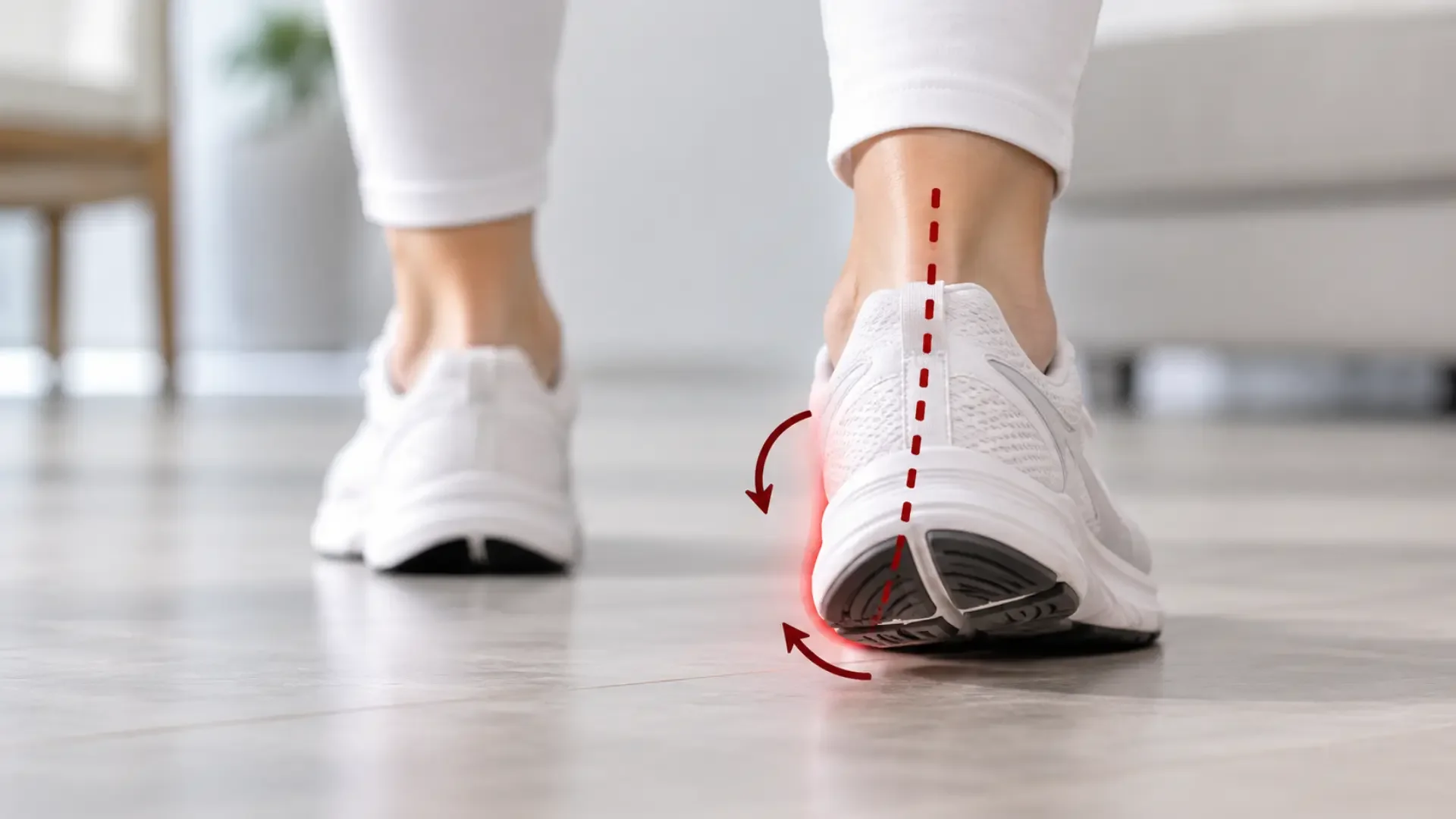
Body Misalignment: Fatigue causes the arches to collapse, affecting the alignment of the knees and lower back.
Key Insight: Unlike walking or running, standing is a static load. Pressure is sustained on the same tissues rather than being distributed through movement.
What Most Insoles Get Wrong
Many mass-market insoles focus primarily on soft cushioning or gel padding. While these feel good when you first put them on, they often fail because they:
Compress Over Time: Soft materials flatten out halfway through a long shift.
Lack Structural Support: They don't prevent the foot from collapsing or rolling inward.
Use General Models: They are designed for an "average" foot and don't address your specific arch height or asymmetries.
Result: The relief is usually temporary, and the underlying mechanical strain remains.
What Actually Works: The Four Pillars of Support
For professionals who stand all day, effective support should focus on:
Proper Load Distribution: Shifting pressure away from "hot spots" like the heel to the rest of the foot.
Structural Support: Stabilizing the arch to improve overall body alignment.
Material Durability: Using high-quality materials that maintain their integrity for months, not weeks.
Individual Fit: Support that matches your specific foot structure and standing posture.
FOOTLAB Clinical Insight
In our assessments of individuals in Manila who stand for prolonged periods, we commonly observe localized pressure points and inefficient load distribution. Many clients have already tried multiple cushioned insoles with limited relief. In these cases, the issue is often not a lack of softness, but a lack of structured support tailored to their unique biomechanics.
Who Benefits Most from Proper Insoles?
You may benefit from more targeted support if you:
Stand for more than 6–8 hours daily.
Experience heavy foot fatigue by the end of the day.
Have persistent heel, arch, or forefoot pain.
Notice discomfort extending to your knees or lower back.
Custom Orthotics vs. Store-Bought Insoles
Since the Squarespace editor handles text blocks best, here is a quick breakdown of why custom solutions outperform off-the-shelf options:
Store-Bought Insoles
General Cushioning: Designed for basic comfort using soft foams or gels.
Average Fit: Made for a generic foot shape; a "one-size-fits-all" approach.
Temporary Relief: Soft materials compress quickly under sustained daily weight.
Custom Orthotics
Biomechanical Precision: Based on your specific foot structure and movement patterns.
Targeted Relief: Addresses exact pressure points to prevent pain before it starts.
Consistent Support: Built with durable materials that provide the same level of support from hour 1 to hour 12.
Frequently Asked Question
-
The most effective insoles are those that provide structured support and proper load distribution based on your individual foot mechanics.
-
They may provide temporary comfort, but without proper support, they often do not address the root cause of fatigue or pain.
-
This depends on the material and usage, but high-quality support should maintain structure over time.
-
For individuals standing long hours daily, they can significantly improve comfort and reduce strain.
A More Effective Approach to All-Day Standing
Managing discomfort from prolonged standing is not just about adding cushioning—it’s about improving how your body handles sustained load. When support is aligned with your biomechanics, the entire system—from your feet to your lower back—functions more efficiently.
At FOOTLAB, each insole is developed through a structured biomechanical assessment to ensure precise, individualized support that stands up to the demands of your workday.
Next Step: Reduce Daily Strain at the Source
If discomfort persists despite changing shoes or trying different store-bought insoles, the issue may be deeper than surface-level support. A professional assessment at FOOTLAB helps determine:
Pressure Distribution: How your weight is actually distributed across your feet while standing.
Strain Accumulation: Identifying the exact points where mechanical strain is building up.
Long-Term Relief: Defining the specific structural support needed to eliminate pain and improve your quality of life.