Why Your Feet Hurt Even With Good Shoes: The Hidden Truth About Foot Pain

It’s a common frustration: You’ve done your research, visited a high-end footwear store in Makati or BGC, and invested in the latest "top-rated" walking or running shoes. Yet, after a few weeks, the familiar ache in your arches, heels, or ankles returns.
If you are asking, "Why do my feet still hurt even with good shoes?" you aren't alone. In FOOTLAB, we see patients every day who have "shoe cabinets full of solutions" that didn't work. The truth is that even the most technologically advanced shoe is a mass-produced product, and your feet are anything but mass-produced.
1. The Definition of "Good" Is Subjective
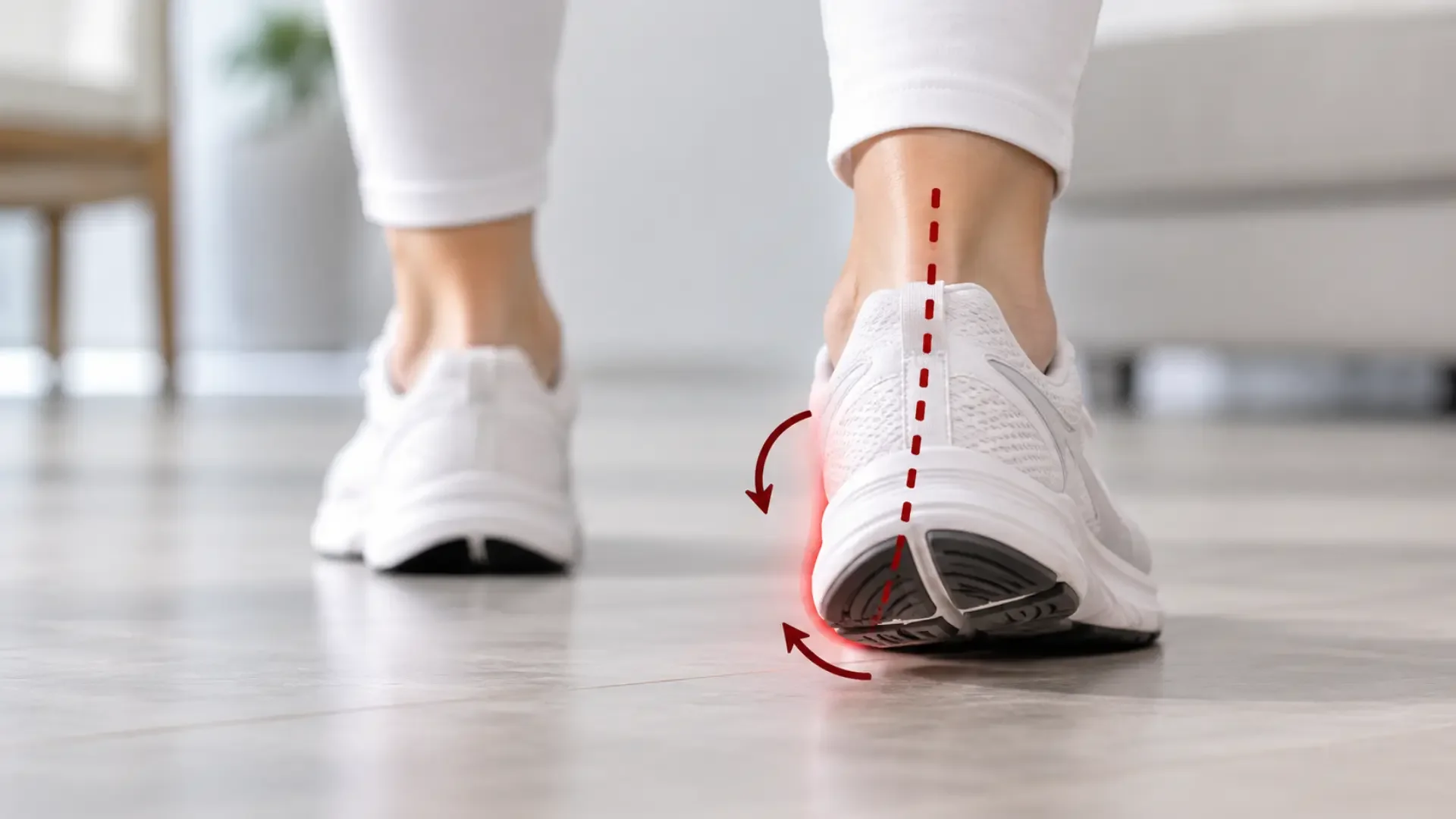
Many people buy shoes based on brand reputation, price, or "cushioning." However, a shoe that is "good" for a neutral runner might be "bad" for someone with severe overpronation.
In the Philippines, many popular "orthopedic-style" shoes offer plenty of cushion but very little torsional stability. If you can easily twist your shoe like a wet towel, it isn't providing the structural support your foot needs, regardless of how soft the foam feels under your heel.
2. Your Biomechanics Are Unique
Every time you take a step, a complex series of movements occurs between 26 bones, 33 joints, and over 100 muscles. Even the most expensive retail shoe is built on a "standard" last (the mold used to shape the shoe).
If you have a functional abnormality—such as one leg being slightly shorter than the other, a rigid high arch, or a collapsing midfoot—a standard shoe cannot correct that. This is where Biomechanical Assessment comes in. Without knowing how your foot moves under load, buying "good shoes" is essentially guesswork.
3. The "Mall Walking" Factor in Manila
We spend a significant amount of time on hard, unforgiving surfaces like polished concrete and tile. Unlike walking on grass or sand, these surfaces provide zero shock absorption.
While a premium shoe might have great foam, that foam compresses over time. For many Filipinos who commute or work in retail, the "life" of a shoe’s support system might only be 6–8 months. If your "good shoes" are a year old, they may look fine on the outside but be "dead" on the inside.
4. The Difference Between Support and Cushioning
This is the most common misconception.
Cushioning is for comfort; it absorbs the impact of the ground.
Support is for control; it keeps your foot in a neutral position to prevent injury.
If your feet hurt, you might be buying shoes with too much cushion and not enough support. A foot that is unstable (like a flat foot) needs a firm "medial post" to stop it from rolling inward. Putting an unstable foot into a very soft, pillowy shoe is like building a house on a mattress—it might feel soft, but the foundation will eventually buckle.
5. You Might Be Wearing the Wrong Size
It sounds simple, but a high percentage of adults in the Philippines are wearing the wrong shoe size. As we age, our feet tend to spread and lengthen. Furthermore, different brands have different "volume" capacities. A shoe might be the right length but too narrow in the "toe box," leading to pinched nerves (Morton’s Neuroma) or bunion pain.
How to Solve the Problem for Good
Clinical Gait Analysis
Instead of guessing at the shoe store, a orthotist uses gait analysis to see exactly where your foot is failing. By watching you walk on a treadmill or pressure mat, we can identify "peak pressure" points that a shoe salesman simply cannot see.
Custom Orthotics: The Internal Foundation
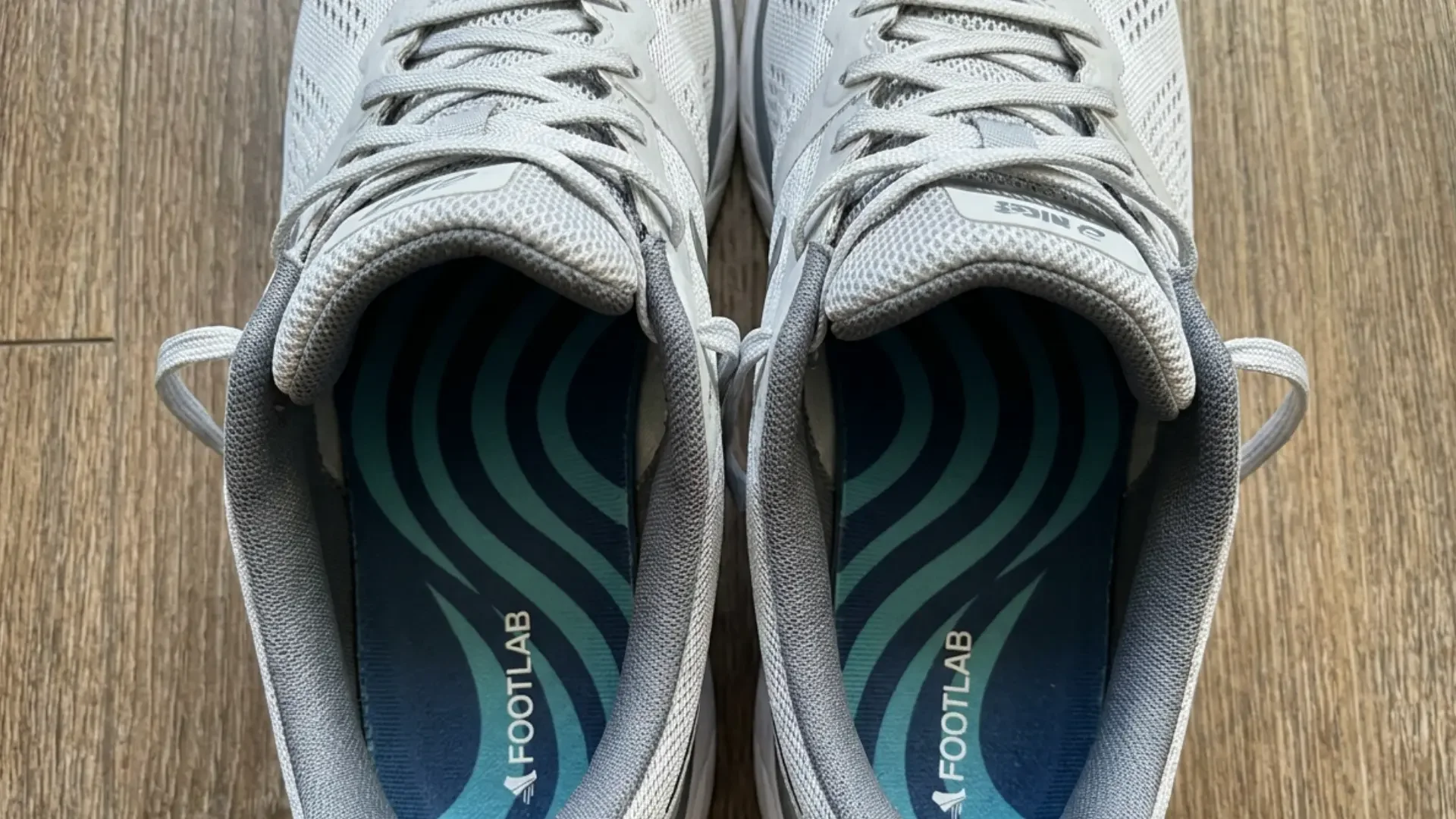
Often, the shoe isn't the problem—the interface between your foot and the shoe is. Custom-molded orthotics act as the missing piece of the puzzle. They are designed to fit inside your "good shoes," correcting your specific alignment issues so the shoe can finally do its job.
Targeted Foot Exercises
Sometimes the pain stems from weakness in the "intrinsic" muscles of the foot or tightness in the calf. No shoe can fix a tight Achilles tendon. We provide clinical exercise programs that work in tandem with your footwear to eliminate pain.
FAQ: Why Expensive Shoes Sometimes Fail
-
Generic inserts provide extra cushioning, but they lack the structural integrity to correct biomechanical issues. For many, they provide temporary relief but don't solve the underlying cause of the pain.
-
A general rule is every 500–800 kilometers. For most active people in the city, that is roughly every 6 to 9 months. If you notice the foam feels "stiff" or you see wrinkles in the midsole, it's time for a change.
-
This is often due to "edema" or swelling. Your feet can expand by up to half a size throughout the day. If your "good shoes" are a perfect fit in the morning, they may be too tight by 4:00 PM, causing pain.
Conclusion: Get a Professional Opinion
If you’ve invested in quality footwear and you’re still hurting, the problem isn't the shoe—it’s the alignment. Your feet are the foundation of your entire body. When the foundation is off, the rest of the structure suffers.
Stop wasting money on "the next best shoe" and find out what your feet actually need. Our Manila-based clinical team can provide a full biomechanical workup to get you back on your feet—pain-free.