Running Injuries in Manila: How Foot Mechanics Affect Performance and Pain

Running is one of the most effective ways to build endurance and maintain overall fitness. However, it also places repetitive stress on the body—especially the feet.
Many runners focus heavily on mileage, shoes, and training plans, but one critical factor is often overlooked: how your foot mechanics influence every step you take.
Running injuries are rarely the result of a single event. Instead, they are often caused by repetitive stress combined with inefficient mechanics. When the foot fails to properly absorb and distribute impact, strain builds up over time, leading to pain in the feet, knees, and lower legs.
What Causes Running Injuries?
Most running-related issues develop gradually due to a combination of:
Repetitive impact from hard surfaces.
Poor load distribution across the foot.
Inefficient movement patterns that stress joints.
Common Running-Related Issues:
Heel Pain: Often linked to plantar fasciitis.
Shin Splints: Pain along the inner edge of the shinbone.
Knee Discomfort: Often caused by tracking issues stemming from the feet.
Tight Calves or Achilles Strain: Resulting from overcompensation during the push-off phase.
The Role of Foot Mechanics
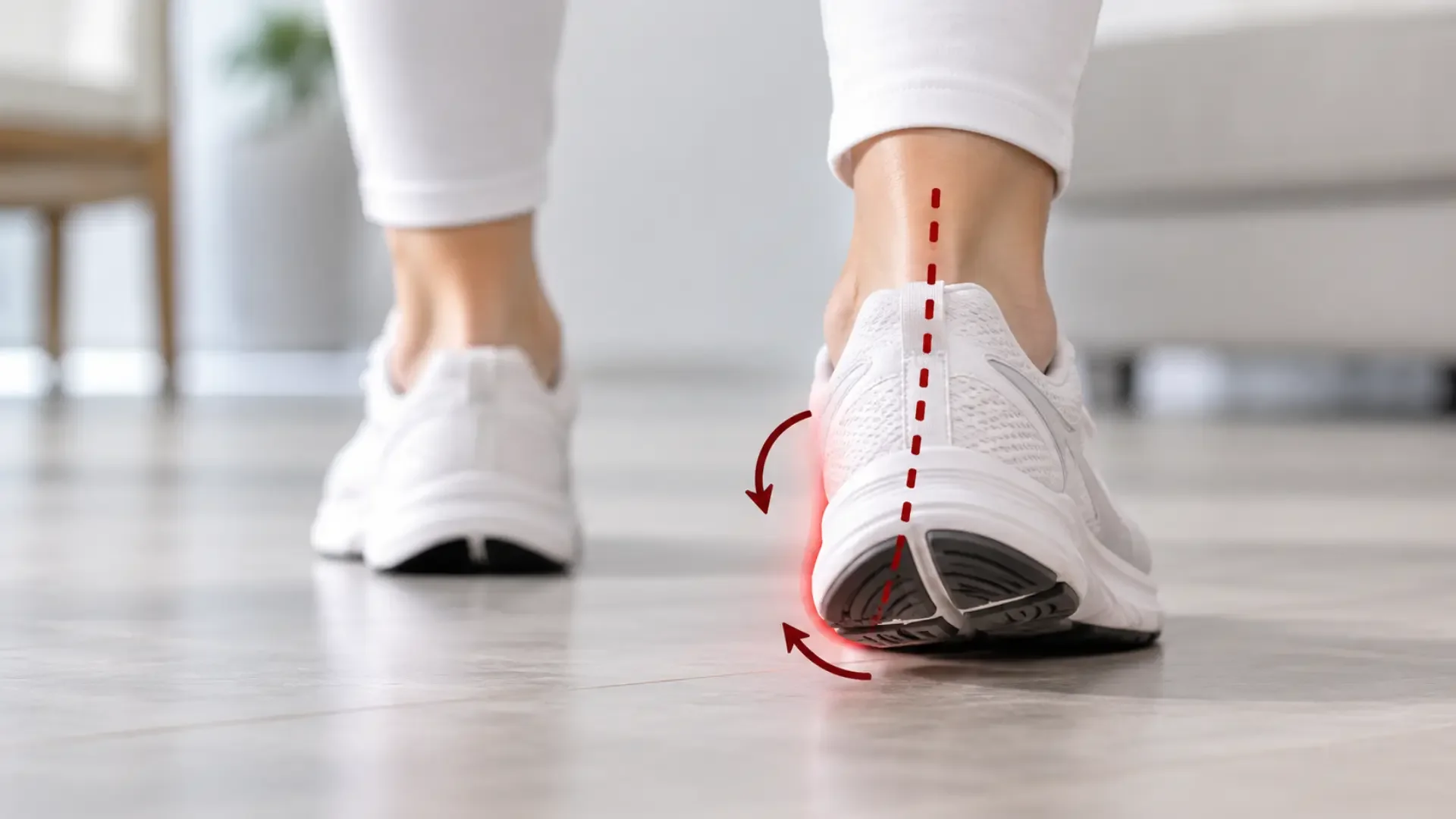
Foot mechanics refer to how your foot absorbs impact, adapts to the ground, and transfers force through the body. Even small inefficiencies—such as overpronation or limited mobility—can:
Increase strain on specific muscles and tendons.
Disrupt alignment of the ankles, knees, and hips.
Lead to compensations higher up the body.
Over time, these minor imbalances can manifest as chronic injuries that sideline your training.
Why Shoes Alone Are Not Enough
Modern running shoes provide excellent cushioning, stability features, and energy return. However, they are built on generalized foot models.
The Reality: Shoes do not adapt to your exact biomechanics, correct individual movement patterns, or address the natural asymmetries between your left and right foot.
How to Effectively Reduce Injury Risk
Preventing injuries requires a holistic approach that goes beyond just buying the "right" pair of sneakers:
Load Management: Balancing training intensity with adequate recovery.
Efficient Movement Mechanics: Improving how your body absorbs and distributes force.
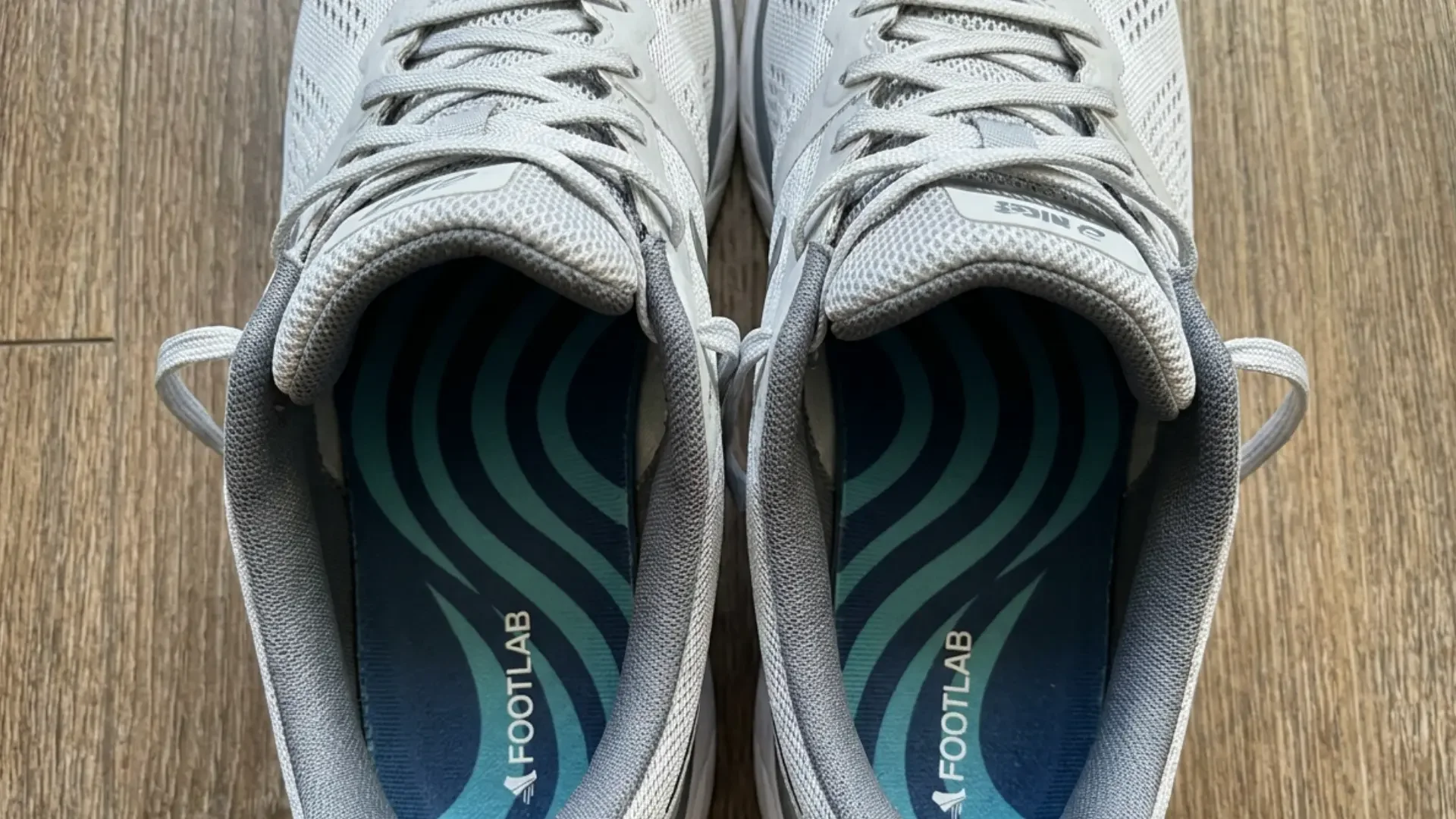
Targeted Support: Using support that aligns with your specific foot structure to stabilize movement.
Early Identification: Addressing minor inefficiencies before they become "stop-work" injuries.
FOOTLAB Clinical Insight
In assessments of active individuals and runners in Manila, we consistently observe asymmetries in foot mechanics, such as differences in arch behavior or load distribution between the left and right sides. These imbalances often go unnoticed but contribute to recurring injuries, even in athletes using high-quality footwear.
Signs Your Mechanics Need an Assessment
You may benefit from a professional gait and foot assessment if you:
Experience recurring injuries despite adjusting your training.
Feel uneven pressure or "hot spots" when running.
Notice faster fatigue or weakness on one side of your body.
Have persistent discomfort in your feet, knees, or lower legs.
Custom Orthotics and Running Performance
Custom orthotics are not just for injury—they are performance tools. By supporting proper alignment and improving pressure distribution, they help runners achieve:
Reduced strain on key physiological structures.
Improved endurance through mechanical efficiency.
More consistent performance over long distances.
If you want to move past the cycle of "rest and repeat" injuries, it may be time to look at the foundation of your stride.
Frequently Asked Question
-
Not necessarily. However, runners with inefficiencies or recurring injuries may benefit from targeted support.
-
They can help with comfort and cushioning, but they do not address individual biomechanics.
-
No. They can also be used proactively to improve efficiency and reduce risk.
A More Complete Approach to Running Health
Running performance and injury prevention are not just about training harder or choosing better shoes. They are about understanding how your body moves—and ensuring that movement is efficient, balanced, and supported.
At FOOTLAB, our assessments are designed to evaluate these factors and provide precise, individualized support based on your unique biomechanics.
Next Step: Identify What’s Driving the Strain
If injuries continue to persist despite proper training and high-quality footwear, it is time to look deeper. A structured assessment helps determine:
Ground Interaction: How your foot specifically interacts with the surface.
Efficiency Gaps: Identifying exactly where movement inefficiencies occur.
Targeted Support: Defining the precise type of support needed to improve performance and reduce injury risk.