What Is Overpronation? Signs, Causes, and What You Can Do
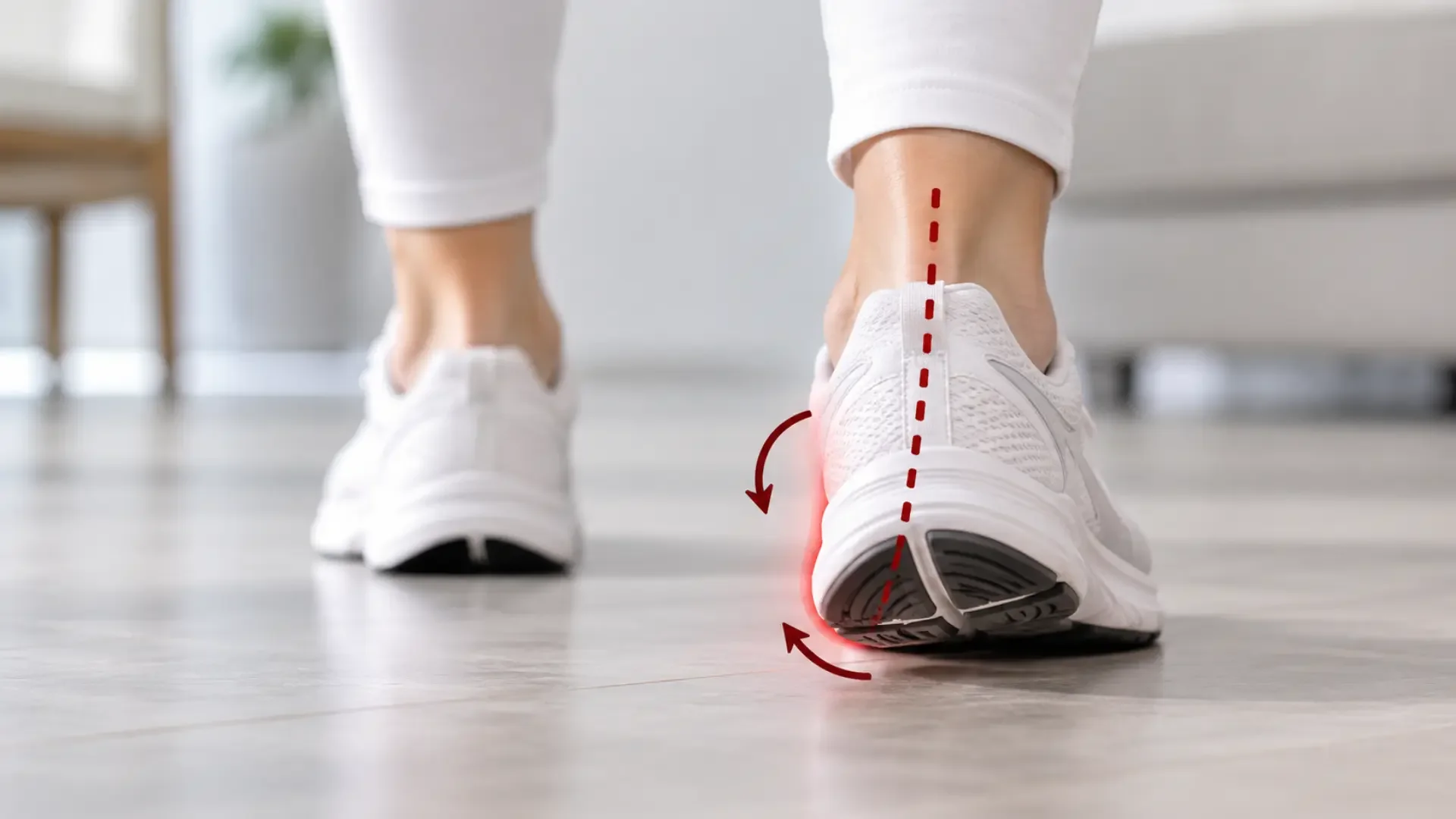
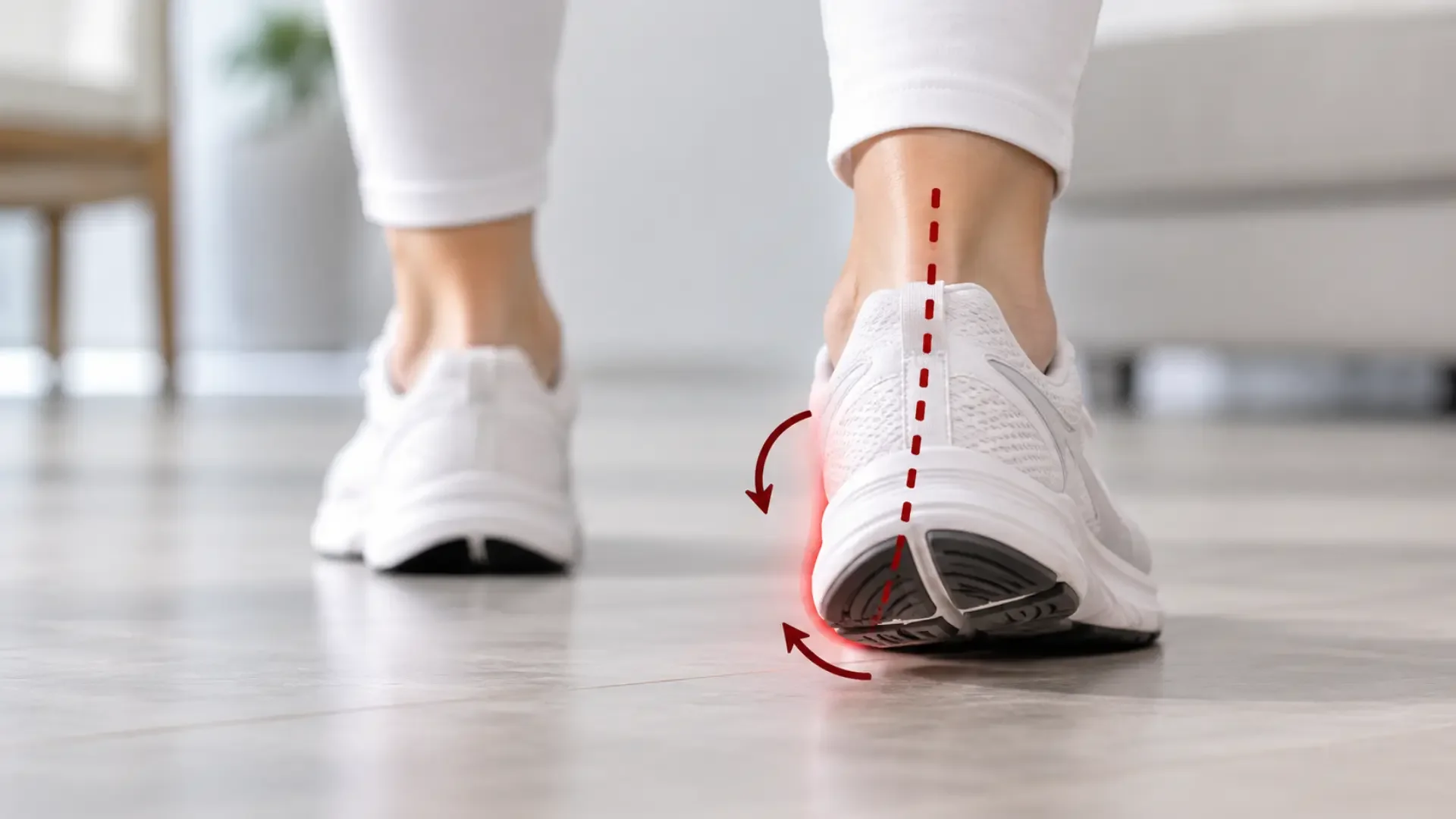
Have you ever noticed that your feet roll inward when you walk or run?
Maybe the inside edges of your shoes wear out faster than the rest. Or perhaps you frequently experience foot fatigue, shin discomfort, knee pain, or recurring running injuries.
These can sometimes be associated with overpronation.
Pronation itself is a normal part of walking and running. Your foot naturally rolls inward as it contacts the ground, helping your body absorb forces and adapt to the surface beneath you.
The concern arises when this inward motion is excessive or contributes to symptoms.
So, what exactly is overpronation, and how do you know if it's affecting the way you move?
What Is Pronation?
Before understanding overpronation, it's important to understand normal pronation.
When your foot strikes the ground during walking or running, it naturally moves through a series of motions.
Pronation generally involves a combination of:
The foot rolling inward
The arch lowering
The foot adapting to the ground
Internal rotation of the lower limb
This movement helps your body absorb and manage forces.
Pronation itself is not bad.
It is a normal and necessary part of human movement.
The problem is when the amount, timing, or control of that movement becomes excessive for an individual's needs.
What Is Overpronation?
Overpronation refers to excessive inward movement of the foot during weight-bearing activities.
When someone overpronates, the arch may collapse or lower more than expected while the foot rolls inward.
This can change how forces travel through the ankle, knee, hip, and other parts of the lower body.
Overpronation can occur during:
Walking
Running
Standing
Jumping
Other weight-bearing activities
However, simply seeing your foot roll inward doesn't automatically mean you have a problem.
The important question is whether the movement is contributing to pain, instability, inefficient movement, or recurring injuries.
What Causes Overpronation?
There isn't one single cause of overpronation.
Several factors can influence how much your feet pronate.
1. Foot Structure
Some people naturally have foot structures that make them more likely to pronate.
For example, lower or flexible arches may allow greater movement during weight-bearing.
2. Muscle and Joint Mechanics
The strength and flexibility of the muscles and joints around your feet, ankles, and lower legs can influence how your foot moves.
Muscle weakness or limited mobility may affect how effectively your body controls movement.
3. Footwear
Shoes that are worn out or provide inadequate support may make existing biomechanical issues more noticeable.
However, footwear alone isn't necessarily the root cause of overpronation.
4. Activity Level
Running and other high-impact activities expose the feet to repetitive loading.
A movement pattern that feels fine during normal walking may become more noticeable when you're running long distances or training frequently.
5. Changes in the Foot Over Time
Foot structure can change with age, injury, increased body weight, or other factors.
These changes can affect how the foot supports the body during movement.
What Are the Signs of Overpronation?
Overpronation doesn't always cause symptoms.
However, certain signs may suggest that your foot mechanics deserve a closer look.
Uneven Shoe Wear
One of the most noticeable signs is excessive wear along the inside edge of your shoes.
However, shoe wear alone cannot confirm overpronation.
Frequent Foot Fatigue
Your feet may feel unusually tired after walking, standing, or running.
Arch Discomfort
Excessive movement can increase stress on structures supporting the arch.
Heel Pain
Some individuals with altered foot mechanics may experience increased stress around the heel.
Shin Pain
Changes in lower-limb mechanics may contribute to increased stress around the shin.
Knee Discomfort
Foot movement can influence how the lower leg rotates, potentially affecting knee mechanics.
Recurring Running Injuries
If the same injury repeatedly returns despite appropriate training and recovery, your running mechanics may be worth evaluating.
Can Overpronation Cause Knee and Back Pain?
The feet are connected to the rest of the body through a kinetic chain.
When the foot rolls inward excessively, it can influence the movement and rotation of the lower leg.
This may affect the:
Hip
Pelvis
However, this does not mean that overpronation automatically causes knee or back pain.
Pain is complex and can have many contributing factors.
A proper biomechanical assessment can help determine whether your foot mechanics are actually contributing to your symptoms.
Is Overpronation Bad?
Not necessarily.
This is one of the most important things to understand.
Pronation is normal.
Even some degree of increased pronation can be completely asymptomatic.
You don't necessarily need to "correct" your foot simply because it rolls inward.
Intervention becomes more relevant when excessive or poorly controlled movement is associated with:
Persistent pain
Recurrent injuries
Instability
Reduced performance
Difficulty with everyday activities
The goal isn't to completely eliminate pronation.
The goal is to help your feet function efficiently and comfortably.
How Can You Check for Overpronation?
There are a few things you can observe at home.
Look at Your Shoes
Check the soles of your regularly worn shoes.
Significant wear along the inside edge may provide a clue.
Look at Your Feet While Standing
Stand naturally and observe whether your arches appear to collapse significantly when you put weight on your feet.
Record Yourself Walking or Running
A side or rear-view video may provide a basic visual indication of how your feet and ankles move.
However, these methods are only observational.
They cannot diagnose overpronation.
Foot mechanics involve much more than simply looking at the position of your feet.
How Is Overpronation Properly Assessed?
A professional assessment looks beyond the appearance of your feet.
A comprehensive evaluation may consider:
Foot structure
Arch behavior
Lower-limb alignment
Joint mobility
Muscle function
Pressure distribution
Walking mechanics
Running mechanics
Symptoms and injury history
This helps determine whether your movement pattern is simply a normal variation or whether it may be contributing to a functional problem.
Can Insoles Help Overpronation?
In some cases, appropriate foot orthoses may help manage excessive or poorly controlled foot motion.
However, the right support depends on the individual.
Generic arch supports aren't necessarily appropriate for everyone with overpronation.
An orthotic may be designed to:
Provide appropriate arch support
Improve pressure distribution
Manage excessive foot motion
Improve stability
Reduce mechanical stress on certain structures
The objective isn't to force every foot into the same position.
It's to provide the right amount of support for the individual.
Custom Orthotics vs. Generic Insoles
Generic insoles are designed for a broad range of users.
Custom orthotics, on the other hand, can be designed based on an individual's specific foot structure and biomechanical requirements.
Generic Insoles
Easily accessible
Generally more affordable
Provide basic cushioning or support
Designed for general use
Custom Orthotics
Individually designed
Based on professional assessment
Can provide targeted support
Designed around specific biomechanical needs
If overpronation is causing persistent symptoms, an individualized assessment can help determine whether custom orthotics are appropriate.
The FOOTLAB Approach
At FOOTLAB, we don't believe that every person with overpronation needs an orthotic.
Instead, we focus on understanding why the foot is moving the way it does and whether that movement is actually causing a problem.
Our assessment may include:
Biomechanical Assessment
We evaluate foot structure, posture, and lower-limb alignment.
Digital Foot Scanning
Advanced scanning technology helps capture detailed information about your feet.
Dynamic Pressure Analysis
Pressure mapping helps identify how your weight is distributed during standing and movement.
Gait Assessment
We assess how your feet function while walking and identify movement patterns that may contribute to discomfort.
If orthotic support is appropriate, the findings can help guide an individualized design.
Frequently Asked Questions
-
No. Flat feet describe the shape or appearance of the arch, while overpronation describes a movement pattern. A person can have flat feet without problematic overpronation, and overpronation can occur in people with different foot shapes.
-
The goal isn't always to completely eliminate pronation. If excessive movement is contributing to pain or functional problems, treatment may focus on improving strength, mobility, movement patterns, footwear, and appropriate foot support.
-
Overpronation may be one contributing factor to increased mechanical stress on the plantar fascia, but plantar fasciitis can have multiple causes. A proper assessment is needed to understand the individual's risk factors.
-
Not necessarily. Running shoes should be selected based on fit, comfort, activity, and individual needs. If you're experiencing recurring pain or injuries, a professional assessment may provide more useful information than choosing footwear based solely on pronation.
-
Yes. Children naturally go through different stages of foot and lower-limb development. Some degree of pronation can be normal, but persistent pain, significant asymmetry, or functional difficulties should be assessed by an appropriate healthcare professional.
The Bottom Line
Overpronation isn't automatically a problem.
Your feet are designed to move, adapt, and absorb forces as you walk and run. Some inward movement is completely normal.
What matters is whether excessive or poorly controlled movement is contributing to pain, instability, recurring injuries, or difficulty moving comfortably.
Instead of trying to "fix" your feet based on appearance alone, focus on understanding how they function.
At FOOTLAB, we use biomechanical assessment, digital foot scanning, pressure analysis, and gait evaluation to understand how your feet move and determine what type of support, if any, may be appropriate.