Best Insoles for Plantar Fasciitis in 2026: What Actually Works?
Heel pain can make even the simplest daily activities uncomfortable. Whether you spend long hours standing at work, walking around the city, exercising, or simply doing daily errands, plantar fasciitis can significantly affect your quality of life.
One of the most common questions we hear at Footlab Clinic is:
“What insoles actually work for plantar fasciitis?”
The answer depends on your foot structure, walking pattern, activity level, and the severity of your condition. In this guide, we’ll explain what plantar fasciitis is, what features to look for in insoles, and when custom orthotics may be necessary.
What Is Plantar Fasciitis?
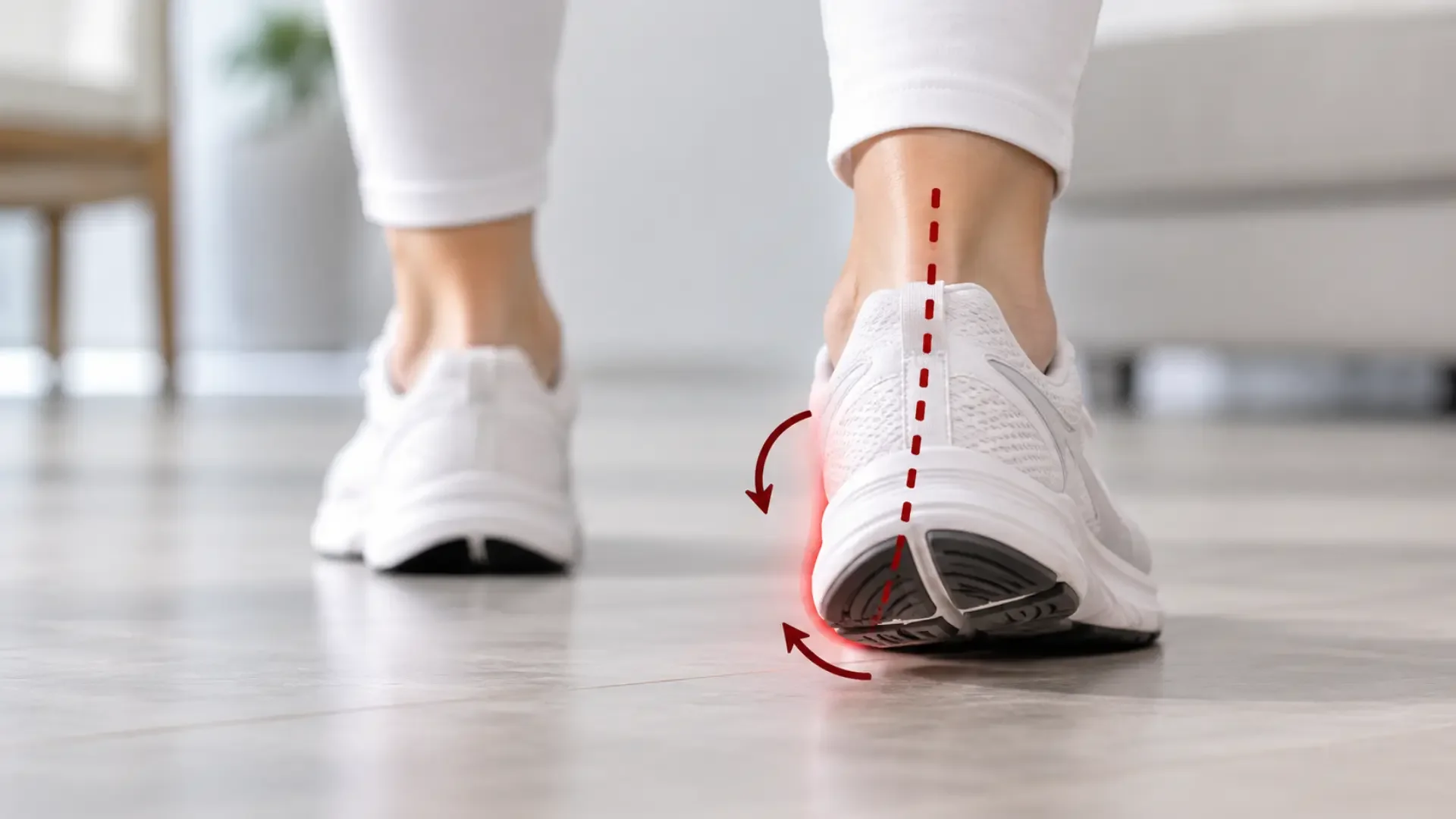
Plantar fasciitis is one of the most common causes of heel pain. It happens when the plantar fascia — the thick band of tissue connecting your heel to your toes — becomes irritated or inflamed.
Common Symptoms of Plantar Fasciitis
Sharp heel pain during the first steps in the morning
Pain after standing for long periods
Heel discomfort after exercise or walking
Tightness in the arch of the foot
Pain that improves during movement but returns later
Without proper support, the condition can worsen over time and affect posture, walking mechanics, and overall comfort.
Why Insoles Matter for Plantar Fasciitis
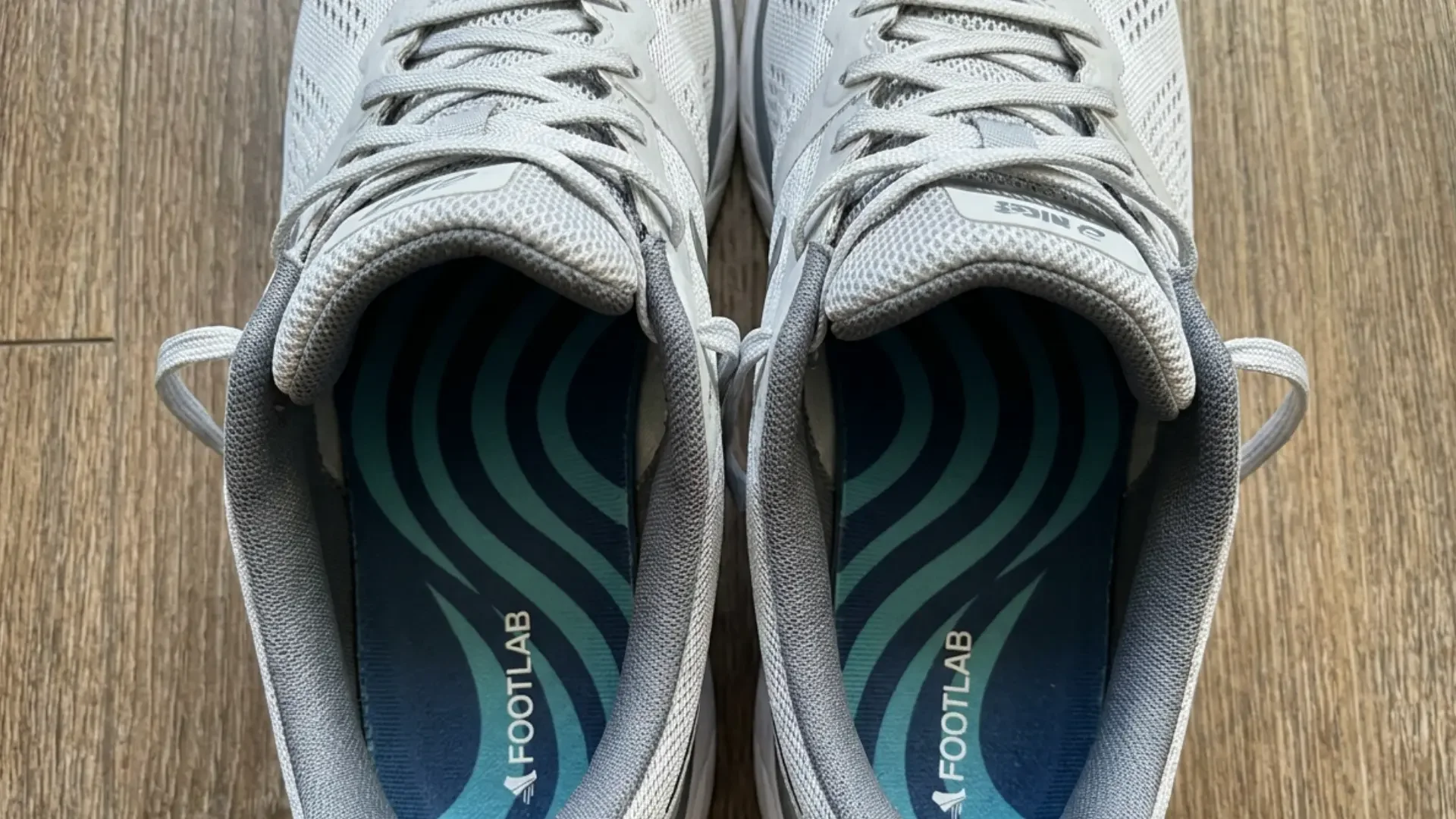
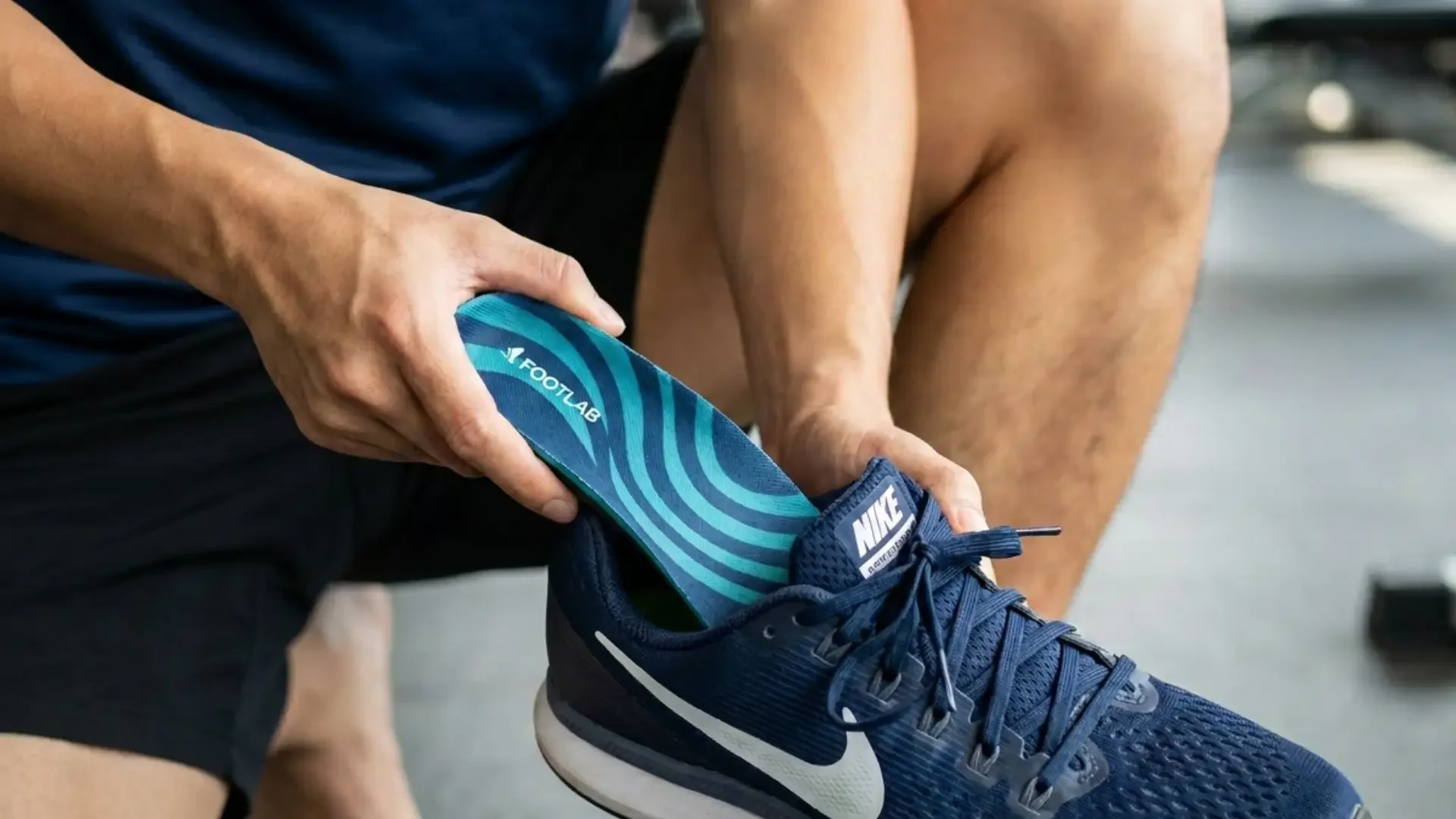
The right insoles help reduce stress on the plantar fascia by improving foot alignment and distributing pressure more evenly.
Good insoles can help:
Reduce heel pain
Improve arch support
Absorb impact while walking
Reduce pressure on the heel
Improve posture and gait mechanics
Prevent excessive foot rolling or overpronation
However, not all insoles are created equal.
Soft cushioning alone is usually not enough. Many people buy generic memory foam insoles expecting relief, only to experience recurring pain because the foot still lacks proper structural support.
What to Look for in Insoles for Plantar Fasciitis
1. Proper Arch Support
Arch support is one of the most important features.
A supportive insole helps reduce strain on the plantar fascia and prevents excessive flattening of the arch during walking.
The ideal arch support depends on your foot type:
Flat feet may require firmer support
High arches may need additional cushioning
Neutral arches benefit from balanced support and stability
2. Deep Heel Cup
A deep heel cup helps stabilize the heel and reduce pressure on painful areas.
This feature can improve shock absorption and minimize stress during prolonged standing or walking.
3. Firm but Comfortable Support
Many people assume softer insoles are better.
In reality, extremely soft insoles may collapse under pressure and fail to support the foot properly.
A good plantar fasciitis insole should feel supportive while still remaining comfortable enough for daily wear.
4. Shock Absorption
Shock absorption helps reduce repetitive stress on the heel.
This is especially important for:
Runners
Healthcare workers
Teachers
Retail employees
People who stand for long hours
5. Proper Shoe Compatibility
Not all insoles fit every shoe.
For example:
Running shoe insoles may not fit formal leather shoes
Slim shoes may require low-profile orthotics
Sports footwear often needs structured athletic insoles
Using the wrong type of insole in the wrong shoe can reduce effectiveness.
Common Mistakes When Buying Insoles
Choosing Cushioning Over Support
Many over-the-counter insoles focus mainly on comfort instead of correcting foot mechanics.
While cushioning can temporarily relieve discomfort, proper structural support is usually necessary for long-term relief.
Buying Based Only on Brand Popularity
Popular brands are not automatically the best choice for your foot type.
What works for one person may not work for another.
Ignoring Foot Assessment
The root cause of plantar fasciitis can vary.
Some people have:
Flat feet
High arches
Tight calf muscles
Overpronation
Leg length differences
Poor walking mechanics
Without understanding the underlying issue, it becomes harder to find the right solution.
When Over-the-Counter Insoles May Be Enough
Over-the-counter insoles may help if:
Symptoms are mild
Pain is recent
You only need additional support occasionally
Your foot mechanics are relatively neutral
Supportive OTC insoles can improve comfort for many people during early stages of plantar fasciitis.
However, if pain continues for several weeks despite using supportive footwear and insoles, it may be time to consider custom orthotics.
When You May Need Custom Orthotics
Custom orthotics are designed specifically for your feet based on detailed assessment and gait analysis.
At Footlab Clinic, custom orthotics are tailored according to:
Foot structure
Pressure distribution
Walking mechanics
Activity level
Lifestyle needs
Custom orthotics may be recommended if:
Heel pain keeps returning
OTC insoles are no longer effective
You stand for long hours daily
You have flat feet or high arches
You experience knee, ankle, or lower back pain
You participate in sports or high-impact activities
Unlike generic insoles, custom orthotics are designed to address the root biomechanical issue contributing to pain.
Best Footwear Practices for Plantar Fasciitis
Even the best insoles will not work properly if paired with unsupportive footwear.
Recommended Footwear Features
Firm heel support
Stable sole construction
Good arch support
Proper fit and sizing
Cushioned but supportive midsole
Footwear to Avoid
Extremely flat sandals
Worn-out sneakers
Unsupportive slippers
Thin-soled shoes
Footwear without heel stability
Daily Habits That Can Help Relieve Heel Pain
Aside from insoles and footwear, these habits may help improve symptoms:
Stretch your calves regularly
Avoid standing barefoot on hard floors
Replace worn-out shoes
Rest when needed
Maintain a healthy weight
Use supportive footwear consistently
Consistency is important. Many patients experience recurring pain because they only wear supportive footwear occasionally.
What We Recommend at Footlab Clinic
At Footlab Clinic, we focus on understanding the root cause of foot pain rather than simply masking symptoms.
Every patient has different biomechanics, lifestyle demands, and support needs.
That’s why proper assessment matters.
Through gait analysis and foot assessment, we help patients determine whether supportive footwear, over-the-counter insoles, or custom orthotics are the best solution for their condition.
What We Recommend at Footlab Clinic
Frequently Asked Questions
-
They need a firm, structurally rigid base. A purely soft insole allows the arch to collapse further, stretching the inflamed plantar fascia and delaying your recovery.
-
While the healing of soft tissue takes time, many patients experience an immediate reduction in strain during their first week as the tension on the fascia is mechanically offloaded.
-
Insoles help reduce stress on the plantar fascia and improve foot mechanics, but recovery also depends on proper footwear, stretching, activity modification, and consistency
-
Because they are built using durable, medical-grade materials, a single custom pair can actively protect your feet for 2 to 4 years, depending on your activity level.
Final Thoughts
Finding the best insoles for plantar fasciitis is not only about comfort — it’s about proper support, alignment, and addressing the root cause of pain.
While over-the-counter insoles may help mild cases, persistent heel pain often requires a more personalized approach.
At Footlab Clinic, we help patients better understand their foot mechanics through professional assessment, gait analysis, and custom orthotic solutions tailored to their lifestyle and needs.
If you are experiencing recurring heel pain, proper support can make a significant difference in your daily comfort and long-term foot health.