What Are Medical-Grade Insoles and Why Does It Matter?
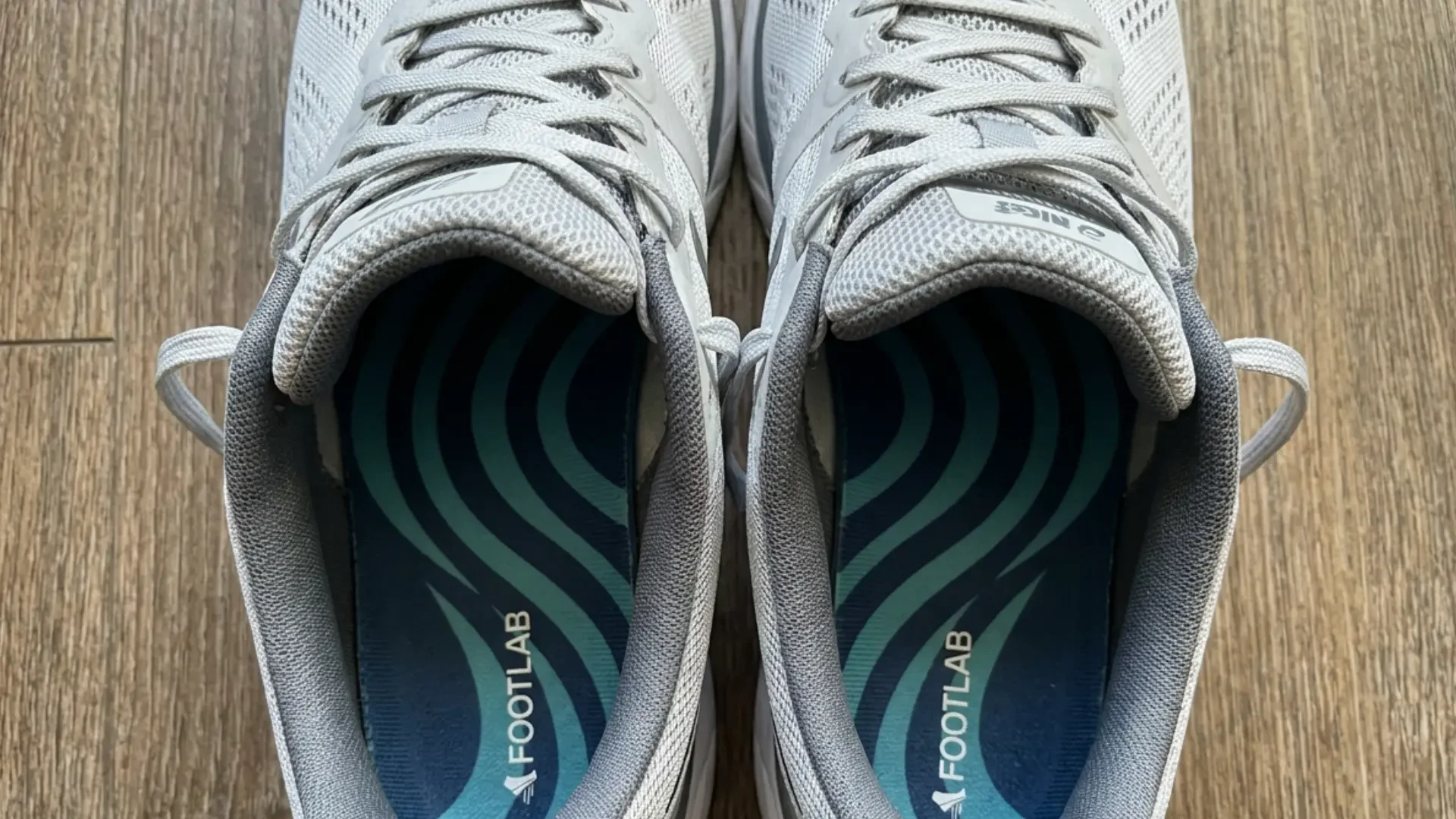
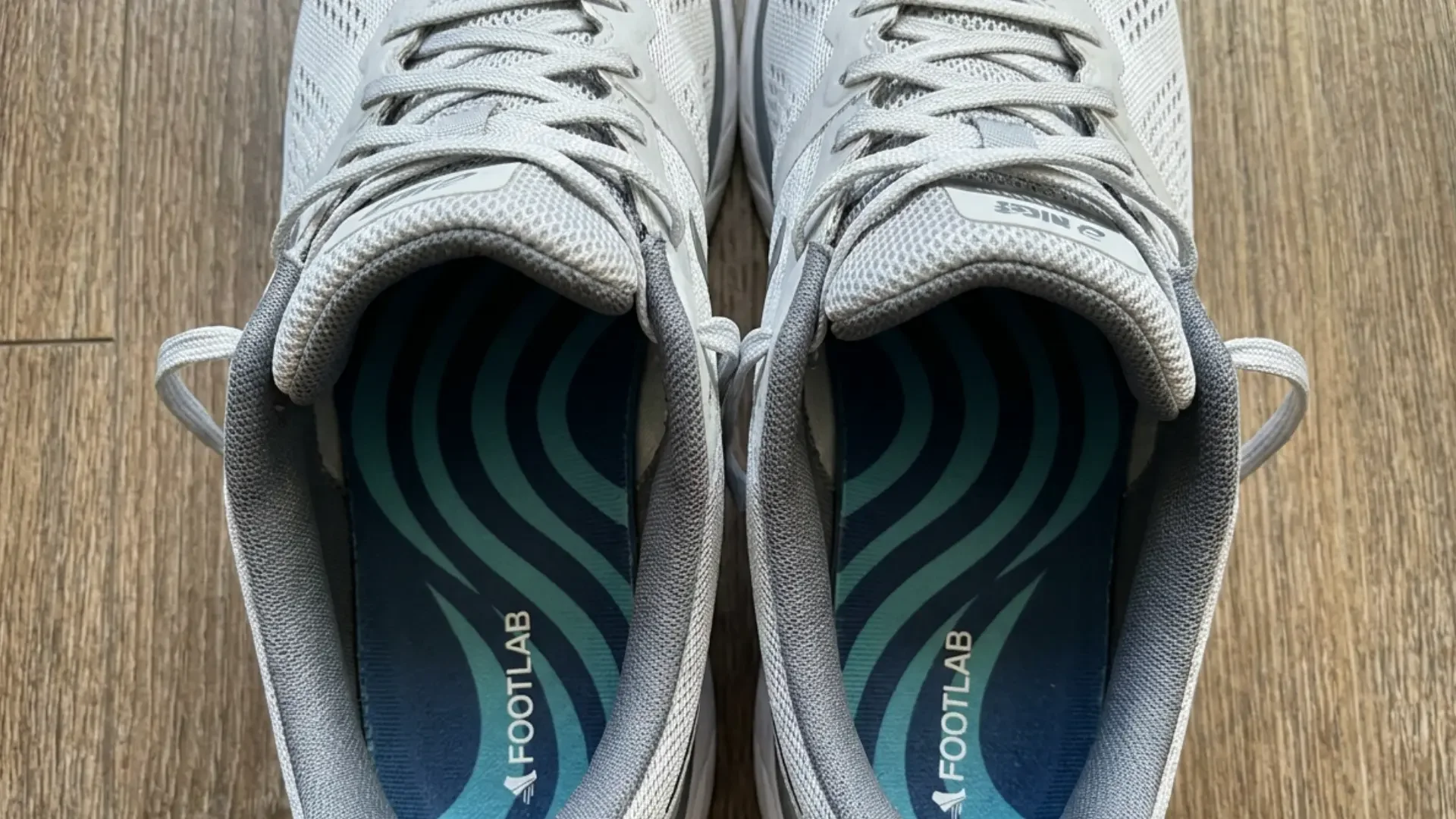
Walk into any shoe store or search online for "insoles" and you'll find countless options.
Gel insoles. Memory foam. Arch supports. Sports insoles. Cushioned inserts. "Custom" insoles.
With so many choices, it's easy to assume that an insole is simply an insole.
But there's an important distinction that many consumers overlook:
Not all insoles are designed for the same purpose.
Some are made primarily for comfort and cushioning, while others are designed to provide targeted support for specific biomechanical needs.
This is where medical-grade insoles come in.
But what exactly makes an insole medical-grade—and why does that matter?
What Are Medical-Grade Insoles?
Medical-grade insoles are orthotic devices designed to provide structured support based on an individual's specific foot and movement needs.
Rather than simply adding softness underneath the feet, they are designed to influence how the feet interact with the ground and how forces are distributed throughout the lower body.
Depending on the individual's needs, medical-grade insoles may be designed to:
Support the arches
Improve pressure distribution
Control excessive foot motion
Improve foot stability
Accommodate specific foot structures
Reduce excessive stress on certain areas
Support more efficient movement
The important point is that medical-grade does not simply mean "more expensive" or "more comfortable."
It refers to the intended clinical function and the process used to determine the appropriate device.
Medical-Grade vs. Regular Insoles
One of the easiest ways to understand the difference is to look at what each type of insole is designed to accomplish.
Regular or Over-the-Counter Insoles
Most retail insoles are designed for general users.
Their primary goals are often:
Cushioning
Comfort
Shock absorption
Basic arch support
They can be useful for people who simply want additional comfort in their shoes.
However, they generally aren't designed around the unique biomechanics of one specific individual.
Medical-Grade Insoles
Medical-grade orthotic devices are designed with a more individualized approach.
They may take into account:
Foot structure
Alignment
Pressure distribution
Gait and movement
Activity level
Symptoms
Specific biomechanical requirements
Instead of asking, "Which insole feels the softest?", the focus becomes:
"What type of support does this person's foot actually need?"
Does "Custom" Automatically Mean Medical-Grade?
Not necessarily.
This is an important distinction for consumers.
An insole can be described as "customized" because it has been trimmed, heated, molded, or adjusted to fit an individual's shoe or foot.
But customization alone doesn't necessarily mean that the device was clinically assessed or individually designed based on a person's specific biomechanical needs.
A truly individualized orthotic process involves more than simply changing the shape of a pre-made product.
It should consider the person's:
Clinical needs
Foot measurements
Movement patterns
Pressure distribution
Alignment
Prescription or design requirements
In other words:
"Custom" describes how something is made or adjusted. Medical-grade describes its intended clinical function and the level of professional assessment behind it.
Why Does Medical-Grade Support Matter?
Your feet are responsible for supporting your entire body every time you stand, walk, or run.
When forces aren't distributed efficiently, certain areas may experience excessive stress.
This can contribute to discomfort in the:
Feet
Ankles
Knees
Hips
Lower back
Medical-grade orthotic support aims to address these biomechanical factors rather than simply covering them with additional cushioning.
Cushioning Isn't the Same as Support
One of the biggest misconceptions about insoles is that softer automatically means better.
A soft insole can certainly feel comfortable.
But comfort and biomechanical support are not necessarily the same thing.
Think about a mattress.
A very soft mattress may feel comfortable when you first lie down, but that doesn't mean it provides the right level of support for your body.
The same concept applies to your feet.
Depending on your needs, you may require a combination of cushioning, structure, support, and pressure redistribution.
The objective isn't to make an insole as soft as possible.
It's to provide the appropriate support for your feet.
Who May Benefit From Medical-Grade Insoles?
Medical-grade orthotics aren't necessary for everyone.
However, they may be appropriate for individuals experiencing specific biomechanical or functional concerns.
You may want to consider a professional assessment if you experience:
Persistent Foot Pain
Recurring heel, arch, or forefoot pain may indicate that your feet are experiencing excessive mechanical stress.
Recurring Sports Injuries
If the same injury keeps returning despite appropriate training and recovery, foot mechanics may be one factor worth evaluating.
Flat Feet or High Arches
Significant variations in foot structure can affect how forces are distributed during movement.
Uneven Shoe Wear
Shoes that consistently wear down more on one side may indicate an uneven loading or movement pattern.
Knee or Lower Back Discomfort
Because the feet are part of the body's kinetic chain, foot mechanics can influence movement higher up the body.
Long Hours of Standing
People who spend most of their day standing may benefit from properly assessed support when foot fatigue or discomfort becomes persistent.
How Are Medical-Grade Insoles Made?
The process can vary depending on the individual's needs and the provider's clinical approach.
At a professional orthotic clinic, the process may include several important steps.
1. Clinical Assessment
The first step is understanding the person's symptoms, lifestyle, activity level, and functional needs.
2. Foot and Biomechanical Evaluation
The feet and lower limbs are assessed to identify alignment and movement patterns that may require support.
3. Foot Scanning and Pressure Analysis
Digital scanning and pressure-mapping technology can provide additional information about foot shape and how pressure is distributed.
4. Individualized Design
The information gathered during the assessment is used to determine the appropriate shape, materials, and modifications for the orthotic.
5. Fabrication and Fitting
The device is produced according to the prescribed design and fitted to ensure it works appropriately with the individual's footwear and activities.
Why Professional Assessment Matters
Buying an insole based solely on your shoe size doesn't tell you what your feet actually need.
Two people can wear the same shoe size while having completely different:
Arch structures
Foot widths
Pressure patterns
Gait mechanics
Alignment
Activity requirements
That's why an insole that works extremely well for one person may not work for another.
A professional assessment helps move the conversation from "Which insole should I buy?" to "What support does my body need?"
Medical-Grade Insoles for Everyday Life
Medical-grade orthotics aren't only for athletes.
They can also be useful for people who spend long hours:
Walking
Standing
Working
Commuting
Exercising
Participating in recreational activities
Whether you're an athlete training for a marathon or a professional spending eight hours on your feet, the goal remains the same:
Provide the right support for your individual needs.
The FOOTLAB Approach
At FOOTLAB, we believe that proper foot support starts with understanding the individual.
Our approach combines professional assessment with technology to evaluate how your feet function.
Depending on your needs, the process may include:
Biomechanical Assessment
We evaluate foot structure, posture, lower-limb alignment, and movement patterns.
Digital Foot Scanning
Advanced scanning technology provides detailed information about the shape and characteristics of your feet.
Dynamic Pressure Analysis
Pressure mapping helps identify areas where load may be concentrated during standing and movement.
Individualized Orthotic Design
When clinically appropriate, the collected information is used to create an orthotic solution designed around your specific needs.
Frequently Asked Questions
-
No. Regular insoles are generally designed for general comfort and cushioning, while medical-grade orthotics are intended to provide more targeted support based on individual clinical or biomechanical needs.
-
Not necessarily. The terms "medical-grade," "custom," and "custom-fitted" can describe different aspects of an orthotic device. What matters is whether the device is appropriate for the individual's specific needs and how it was assessed and designed.
-
Not always. Soft materials can improve comfort, but cushioning alone may not address underlying biomechanical issues. The appropriate balance of cushioning and structural support depends on the individual.
-
They may help when abnormal foot mechanics are contributing to stress throughout the lower-limb kinetic chain. However, knee and back pain can have many causes, so proper assessment is important.
The Bottom Line
When it comes to insoles, "more cushioned" doesn't automatically mean "better," and "custom" doesn't automatically mean "medical-grade."
The real value comes from understanding what your feet need and choosing a support solution based on those needs.
Medical-grade orthotics are designed to go beyond basic cushioning by addressing foot support, pressure distribution, alignment, and biomechanics.
If you're experiencing persistent foot pain, recurring injuries, excessive foot fatigue, or discomfort that continues despite changing your shoes or insoles, it may be time to look beyond the shelf.
At FOOTLAB, we combine professional biomechanical assessment, advanced foot scanning, and individualized orthotic design to help you understand what's happening underneath every step.