
Supination: Causes, Symptoms, Treatment & How Custom Orthotics Can Help
Experiencing pain along the outer edge of your feet, frequent ankle sprains, or discomfort while walking or running? You may be experiencing supination, also known as underpronation. Learn what causes supination, the symptoms to watch for, and how custom orthotic insoles may help improve foot alignment and comfort.
What is Supination?
Supination, also known as underpronation, occurs when the foot rolls outward during walking or running, causing more weight to be distributed along the outer edge of the foot. While some degree of supination is normal, excessive supination reduces natural shock absorption.
Because the foot is unable to distribute impact forces evenly, excessive underpronation places structural stress up the kinetic chain, causing imbalances across:
Without uniform force dissipation, individuals frequently suffer from recurring discomfort, mechanical instability, and an elevated vulnerability to painful musculoskeletal injuries.
-
Outward Weight Focus
A distinct concentration of body weight shifting over the outer margins of the feet.
-
High Structural Arches
Presentation of highly rigid, elevated foot arches that limit natural shock absorption.
-
Recurrent Ankle Sprains
Frequent inversion ankle rolling injuries due to compromised outer edge support.
-
Gait Instability
A persistent feeling of unsteadiness or wobbling throughout walking or running cycles.
-
Lateral Foot Aches
Localized tenderness, inflammation, or sharp discomfort tracking along the outer edge profile.
-
Plantar & Heel Pain
Deep heel bruising or aching pain caused by rigid impact landing profiles.
-
Lateral Hyper-Callusing
Heavy development of tough calluses concentrated exclusively along the outer foot skin borders.
-
Calf Muscle Tightness
Chronic muscular shortening or severe tightness tracking up the Achilles tendon and calf complex.
-
Shin Pain Issues
Development of lower leg splints or aching fatigue along the front tibial bone borders.
-
Kinetic Compensation
Aching structural discomfort migrating upward into weight-bearing knee, hip, or lower back joints.
-
Outer Outsole Wear
Noticeated, heavy friction erosion localized entirely along the extreme outer edges of your shoes.
-
Activity-Linked Fatigue
Discomfort levels escalating or shifting dynamically based on routine task intensity and workout volumes.
What Causes Supination?
Several factors may contribute to excessive supination:
High Arches
People with naturally high arches often place more weight on the outer portion of the foot.
Foot Structure & Genetics
Certain foot shapes and inherited biomechanical traits can make some individuals more prone to supination.
Muscle Imbalances
Weakness or tightness in the muscles of the feet, ankles, and legs can affect movement patterns and stability.
Previous Injuries
Past ankle sprains or foot injuries may alter the way you walk and contribute to excessive outward rolling.
Inappropriate Footwear
Shoes that lack adequate cushioning or support may worsen symptoms associated with supination.
Why Does Supination Become Painful?
When the foot rolls outward excessively, it loses some of its ability to absorb shock effectively. As a result, greater forces are transmitted through the foot and lower extremities with every step.
Over time, this may lead to:
- Increased stress on the outer foot
- Reduced shock absorption during walking and running
- Repetitive strain on the ankles and knees
- Muscle fatigue
- Greater risk of ankle instability and sprains
- Overuse injuries caused by poor biomechanics
Can Custom Orthotic Insoles Help Supination?
Custom orthotic insoles may help improve weight distribution and provide support for individuals with supination. Unlike generic insoles, custom orthotics are designed based on your unique foot structure and biomechanics.
Your assessment may include:
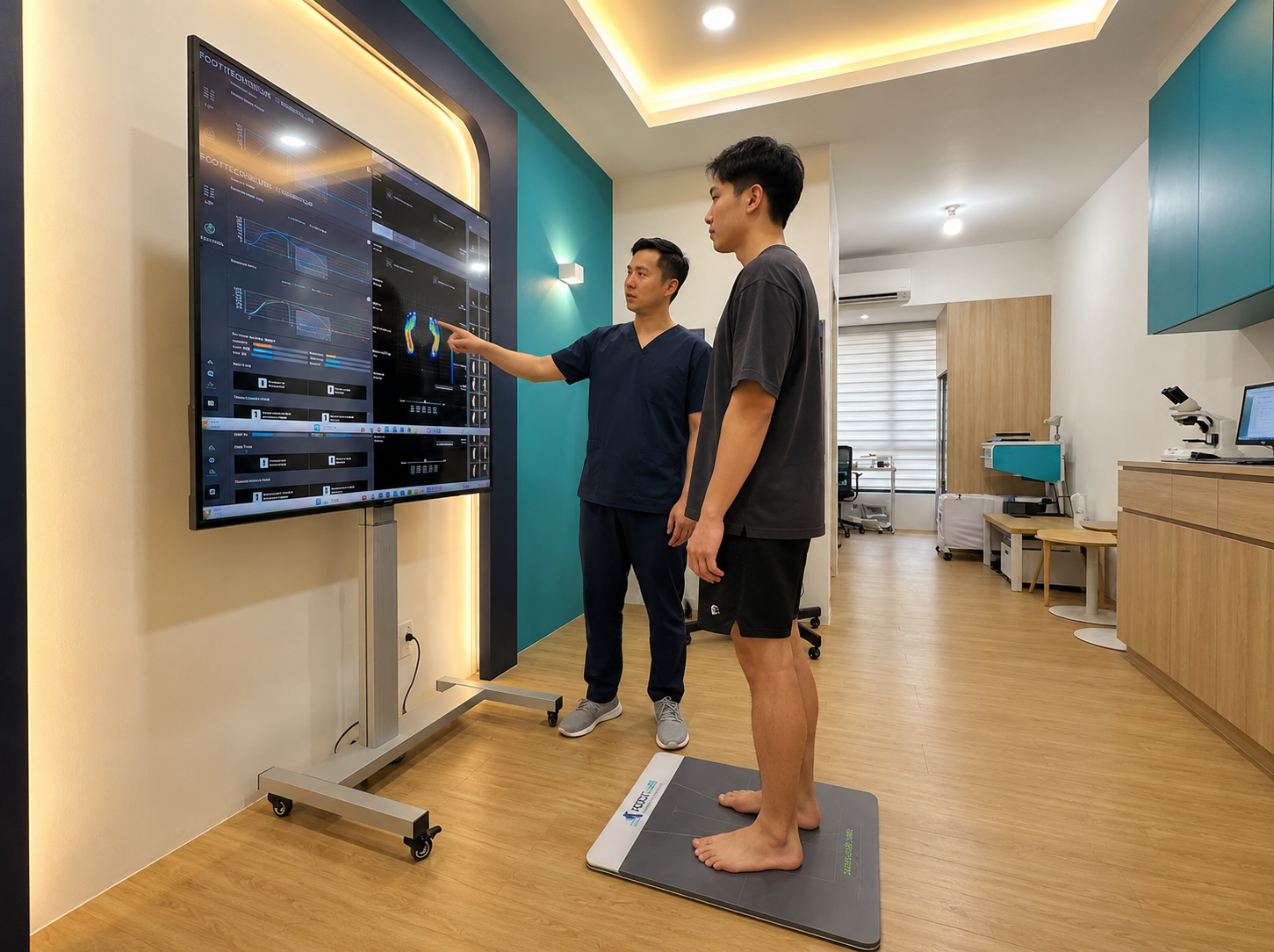
Foot posture evaluation, gait analysis, pressure mapping assessment, functional movement screening, and personalized treatment recommendations.
Based on the findings, our orthotists may recommend custom orthotic insoles designed to support your unique needs and movement patterns.