
Arches (Pes Cavus): Causes, Symptoms, Treatment & How Custom Orthotics Can Help
Experiencing foot pain, ankle instability, or discomfort after standing or walking for long periods? You may have high arches. Learn what causes high arches, the symptoms to watch for, and how custom orthotic insoles may help improve comfort, support, and overall foot function.
What Are High Arches?
High arches, medically known as pes cavus, occur when the arch of the foot is raised higher than normal. Unlike flat feet, high-arched feet place significantly more weight on the heel and ball of the foot during standing, walking, and running.
Because less of the foot makes contact with the ground, individuals with high arches experience reduced shock absorption and increased pressure points concentrated on:
Over time, this lack of natural flexibility and uneven weight distribution can contribute to persistent regional pain, structural instability, and an increased vulnerability to repetitive stress injuries.
-
Focal Heel Pain
Localized aching or sharp discomfort underneath the calcaneus bone from intense impact landing fields.
-
Forefoot Discomfort
Deep bruising or metatarsalgia aching centered directly across the sensitive ball of the foot.
-
Pronounced Arch Profile
A highly visible, steeply curved midfoot contour that remains clear even while standing completely flat.
-
Muscular Foot Fatigue
Generalized, burning muscular fatigue tracking through the foot sole after long standing periods.
-
Frequent Ankle Sprains
Recurrent outward ankle rolling injuries caused by an unyielding and less stable foot base.
-
High-Pressure Calluses
Tough skin patches forming directly under the heel pad or the forefoot due to localized pressure points.
-
Footwear Restrictions
Difficulty finding shoes that comfortably accommodate the higher instep height without constriction.
-
Toe Structural Deformities
Development of rigid hammertoes or claw toes as the small digits pull backward to compensate.
-
Plantar Arch Tension
Sharp or tight aching directly inside the plantar fascia tissue band from excessive stretching.
-
Reduced Equilibrium
Noticeably compromised overall balance and ground stability during sudden multi-axis motions.
-
Kinetic Chain Discomfort
Postural aches radiating into weight-bearing knee, hip, or lower back complexes due to low shock dissipation.
-
Activity Fluctuations
Symptoms escalating in severity depending on structural arch height and daily physical workload volumes.
What Causes High Arches?
Several factors may contribute to high arches, including:
Genetics
Many people inherit their foot structure from family members, making high arches a naturally occurring foot type.
Neurological Conditions
In some cases, high arches may be associated with neurological conditions that affect muscle balance and foot mechanics.
Muscle Imbalances
Weakness or tightness in the muscles of the feet and lower legs can influence foot posture and arch height.
Previous Injuries
Trauma affecting the foot or lower limb may alter biomechanics and contribute to the development of a higher arch.
Why Do High Arches Become Painful?
A high-arched foot is often less effective at absorbing shock compared to a neutral foot posture. As a result, more pressure is concentrated on the heel and forefoot during movement.
Over time, this increased pressure may lead to:
- Foot pain and fatigue
- Increased stress on the plantar fascia
- Greater strain on the ankles
- Reduced stability during walking and running
- Increased risk of overuse injuries
- Difficulty distributing body weight evenly
Can Custom Orthotic Insoles Help High Arches?
Custom orthotic insoles are often recommended to help manage the symptoms associated with high arches. Unlike generic insoles, custom orthotics are designed specifically for your foot structure, biomechanics, and lifestyle needs.
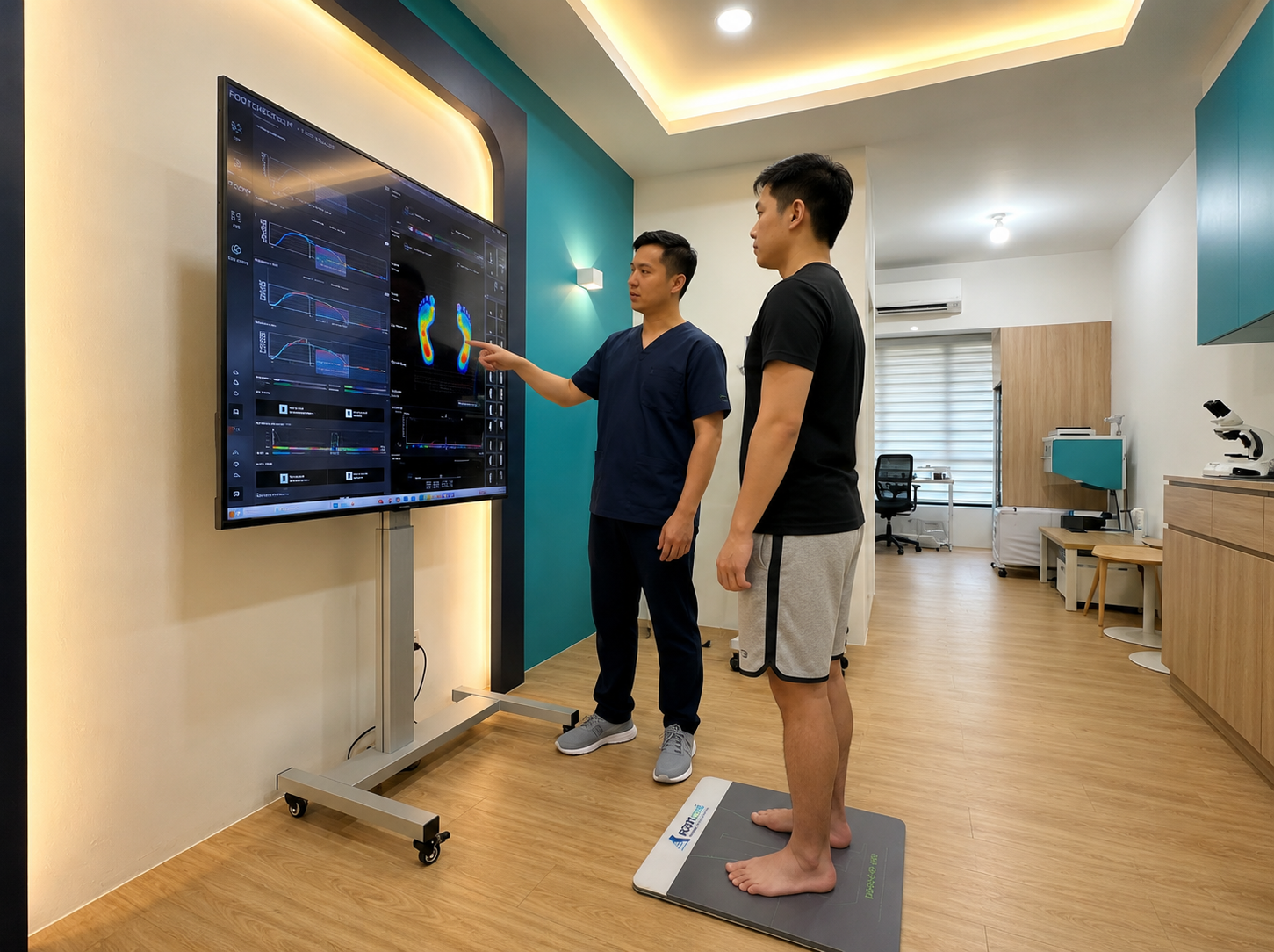
Your assessment may include:
Foot posture evaluation, gait analysis, pressure mapping assessment, functional movement screening, and personalized treatment recommendations.
Based on the results, our orthotists may recommend custom orthotic insoles designed to support your unique foot structure and movement needs.