
Overpronation: Causes, Symptoms, Treatment & How Custom Orthotics Can Help
Experiencing foot pain, knee discomfort, or frequent ankle injuries? You may be dealing with overpronation. Learn what causes overpronation, the symptoms to watch for, and how custom orthotic insoles can help improve foot alignment, reduce pain, and support healthier movement.
What is Overpronation?
Overpronation is a common biomechanical condition in which the foot rolls excessively inward during walking or running. While some inward rolling is normal and helps absorb impact, excessive pronation can alter the body's natural alignment.
Because the feet serve as the foundation of the body, excessive pronation transfers compensatory stressors up the kinetic chain, impacting your weight distribution across:
Over time, this abnormal movement pattern may contribute to chronic pain, localized muscle fatigue, reduced athletic performance, and an increased risk of complex musculoskeletal injuries.
-
Inward Gait Rolling
A distinct, visible inward rolling motion of the feet while completing walking or running cycles.
-
Arch Flattening
Presentation of flexible flat feet, dropped midfoot profiles, or visibly collapsed structural arches.
-
Plantar & Heel Pain
Deep, focal pain localized along the structural foot arch or centered under the heel pad base.
-
Joint Instability
Experiencing frequent ankle sprains or a general sense of reduced tracking stability during movement.
-
Tibial Stress Trait
Development of shin splints, caused by excessive rotational micro-trauma pulling on lower leg muscles.
-
Kneecap Tracking Pain
Persistent tracking pain felt directly in the knee joint, concentrated heavily around the patella edge.
-
Kinetic Chain Strain
Aching postural fatigue or deep tracking discomfort migrating upward into the hips or lower back region.
-
Asymmetrical Shoe Wear
Noticeable, rapid erosion patterns appearing unevenly along the inner margins of shoe outsoles.
-
Localized Foot Fatigue
Generalized, exhausting muscular fatigue across the lower limbs after completing standing intervals.
-
Compromised Performance
Noticeably reduced dynamic
What Causes Overpronation?
Several factors can contribute to overpronation, including:
Flat Feet or Fallen Arches
Individuals with naturally low arches or flat feet often experience greater inward foot movement during walking and running.
Muscle Weakness
Weak muscles in the feet, ankles, calves, and hips can reduce stability and make it difficult to control foot motion effectively.
Poor Footwear
Shoes that lack proper support or cushioning may allow excessive foot collapse and contribute to overpronation.
Previous Injuries
Past foot or ankle injuries can alter biomechanics and create compensatory movement patterns that increase pronation.
Prolonged Activity
Occupations or activities that require long hours on your feet may place additional strain on the arch-supporting structures.
Weight Gain
Additional body weight can increase pressure on the feet and contribute to arch collapse over time.
Why Does Overpronation Become Painful?
Overpronation does not always cause pain immediately. However, when the foot rolls excessively inward over time, it can place abnormal stress on the muscles, tendons, ligaments, and joints throughout the lower body.
Because the feet act as the foundation of movement, poor foot mechanics can affect the alignment of the ankles, knees, hips, and even the lower back. As the body compensates for this altered movement pattern, discomfort and overuse injuries may develop.
Common reasons overpronation becomes painful include:
- Increased strain on the plantar fascia
- Excessive stress on the Achilles tendon
- Poor shock absorption during walking and running
- Increased pressure on the knees and hips
- Muscle fatigue from constantly compensating for poor alignment
- Progressive flattening of the foot arch
Can Custom Insoles Help Overpronation?
Custom orthotic insoles are commonly recommended as part of a comprehensive treatment plan for overpronation. Unlike over-the-counter insoles, custom orthotics are designed specifically for your feet, gait pattern, and lifestyle needs.
Your assessment may include:
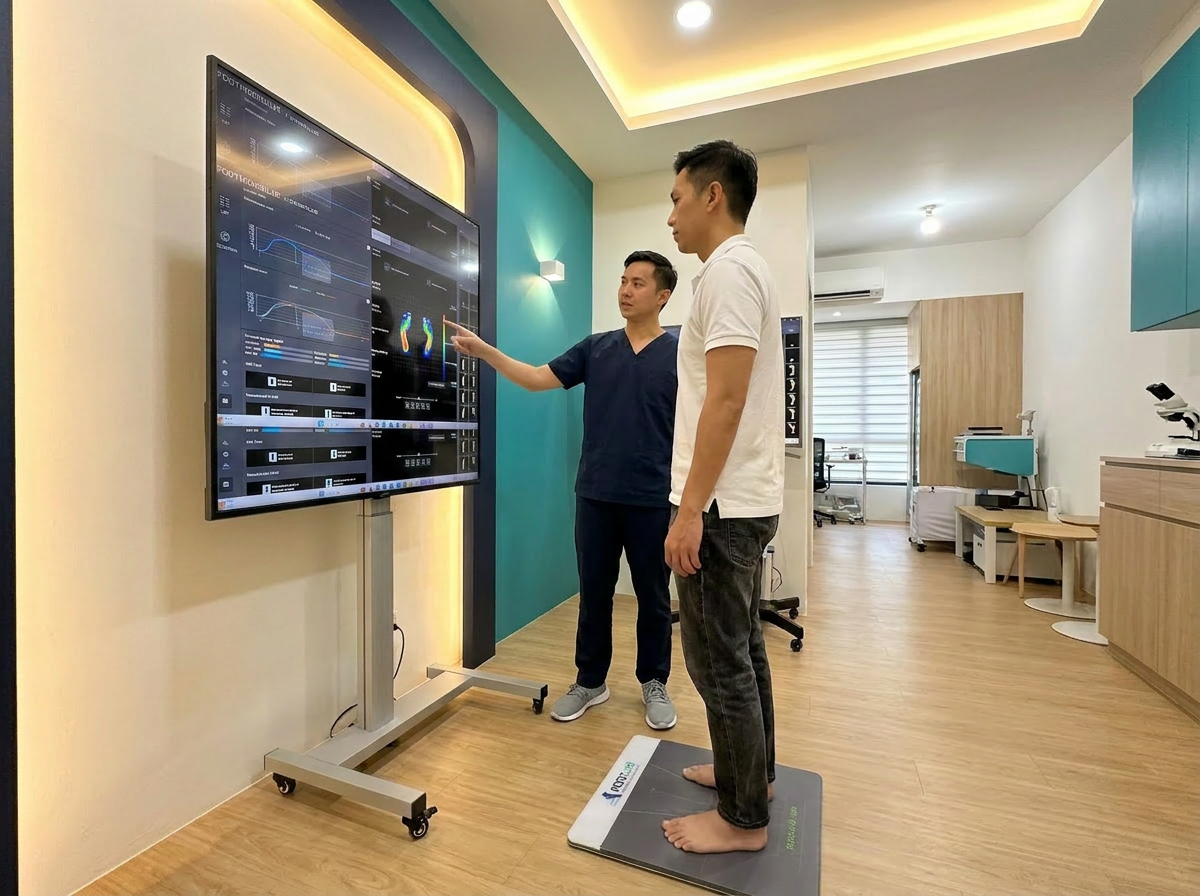
Comprehensive foot evaluation, gait analysis, pressure mapping assessment, biomechanical screening, and personalized treatment recommendations.
Whether you're experiencing foot pain, knee discomfort, recurring injuries, or fatigue during daily activities, addressing overpronation early may help improve comfort, stability, and overall quality of movement.